




Browse
By Subject: History: World War II
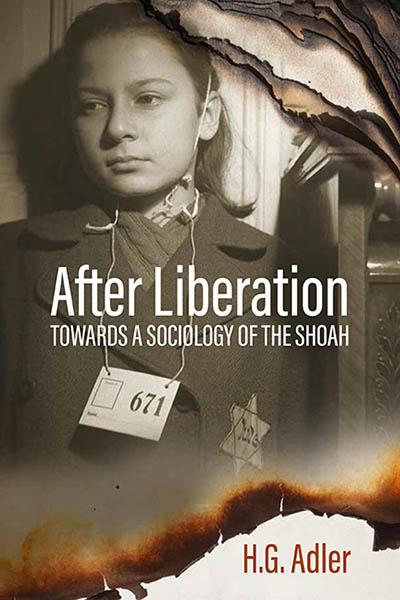
Selected Essays
This collection gathers together, for the first time in English, some of H.G. Adler’s most important scholarly essays on the Shoah and connected themes. Spanning his thought across three decades they focus on the fate of the ‘coerced’ human being and reflect on freedom, enslavement, terror, dread, charisma, loneliness, and ideology.
Subjects: Genocide History Jewish Studies History: World War II
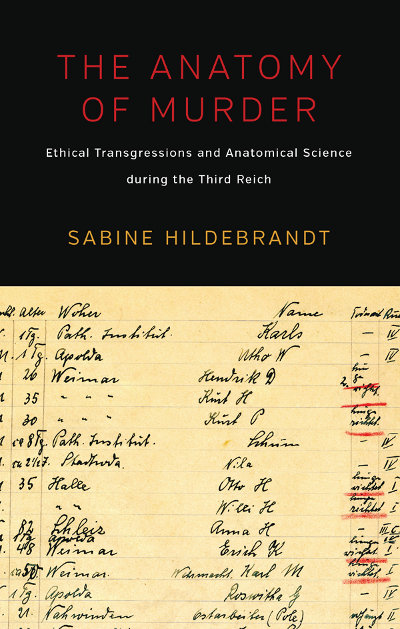
Of the many medical specializations to have been transformed by the rise of National Socialism, anatomy has received little attention. As historian and physician Sabine Hildebrandt reveals, anatomists progressed through gradual stages of ethical transgression; in some cases, the traditional model of working with deceased bodies gave way to experimentation with the “future dead.”
Subjects: History: World War II Genocide History
Paperback available
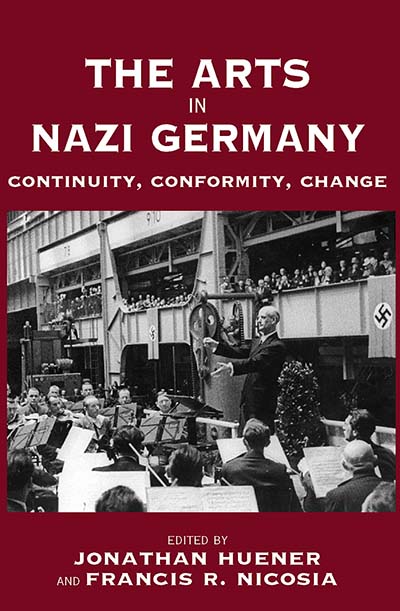
Subjects: History: World War II Cultural Studies (General)
Paperback available
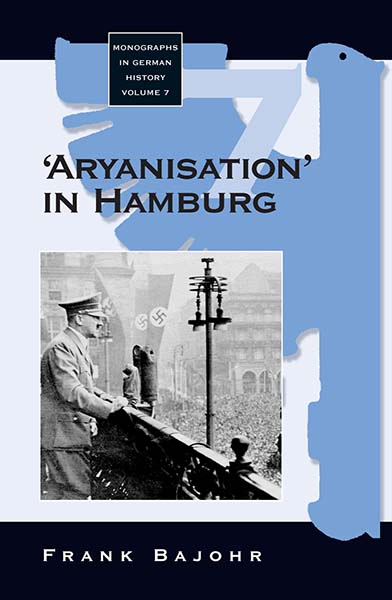
Subjects: History: World War II Jewish Studies
Paperback available
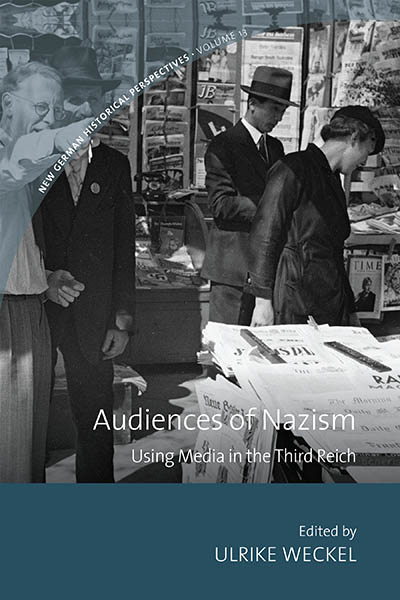
Innovating against the considerable gap in research surrounding historical media reception within Nazi Germany, Audiences of Nazism finds sources of actual audience responses to critically engage with the Third Reich’s media production legacy.
Subjects: History: World War II Media Studies
Paperback available
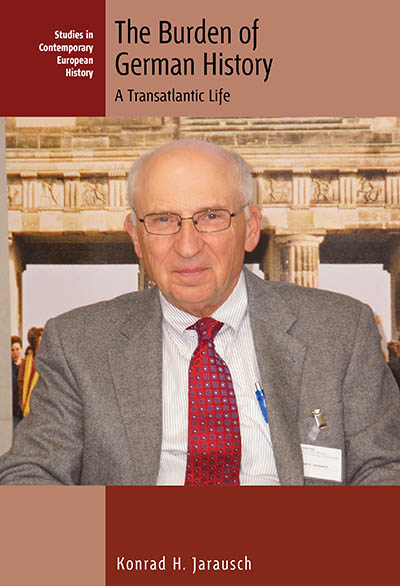
The Burden of Germany History is Konrad H Jarausch’s much anticipated transatlantic autobiography set against the development and transformation of German studies over the past half-century. Using his life story, Jarausch’s concurrent life in the US and Germany brings us a self-critical historiography of a twentieth-century Germany that was wrestling with the responsibility for war and genocide.
Subjects: History: 20th Century to Present Genocide History History: World War II
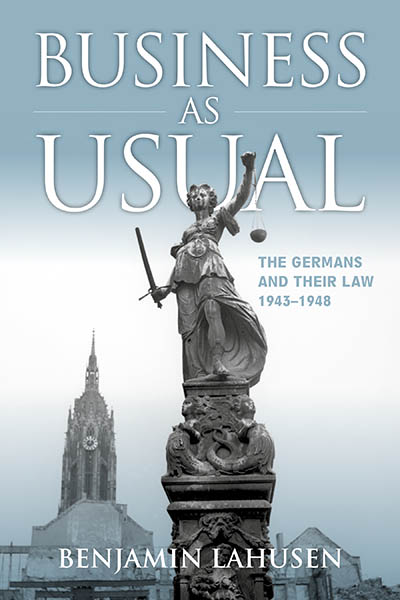
Drawing on extensive archival records, Business as Usual shows how the legal system in Germany continued to operate with the same personnel, administrative routines, and institutional habits between 1943 and 1948, despite violence, mass murder, bombings, and regime change.
Subjects: History: 20th Century to Present Peace and Conflict Studies History: World War II

Hefler explores why Britain and France failed to cooperate after WWII. Prime Minister Winston Churchill opposed a lasting alliance with France, pursuing an unofficial campaign in the Middle East and working to discredit de Gaulle as a political force, ultimately sacrificing Franco-British relations and making de Gaulle an ‘enemy of Britain’.
Subjects: History: World War II History: 20th Century to Present
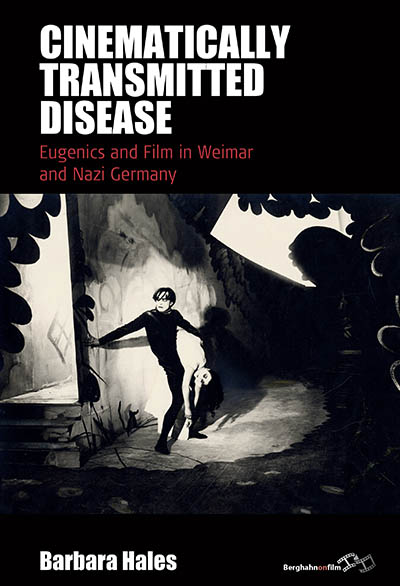
The roots of German National Socialist policies have strong connections to Weimar era circulation of medical hygiene propaganda films that conveyed strong connections between scientific legitimacy between racial superiority, genetically spread “incurable” diseases, and the degradation of the German national population.
Subjects: Film and Television Studies History: World War II Media Studies
The German Foundation “Remembrance, Responsibility and Future” is one of the largest transitional justice initiatives in history. This volume provides an unparalleled look at its creation, operations, and future prospects, bringing together the work of historians who were granted unrestricted access to its records, and offering nuanced, clear-eyed analysis of its successes and missteps.
Subjects: History: 20th Century to Present History: World War II
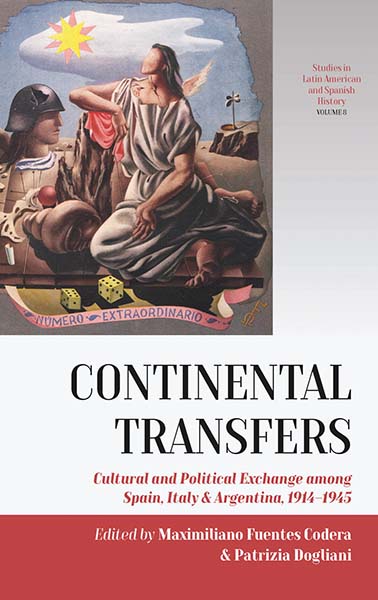
The cultural and political connections between Spain, Italy and Argentina developed complex transnational transfers over the course of two World Wars. Bringing together scholars from all three nations, Continental Transfers configures a multidirectional approach to the nations’ reciprocal exchange using new theoretical ground to understand the development links to the construction of national and supranational identities, such as Latinism and Hispanism.
Subjects: History: 20th Century to Present History: World War I History: World War II
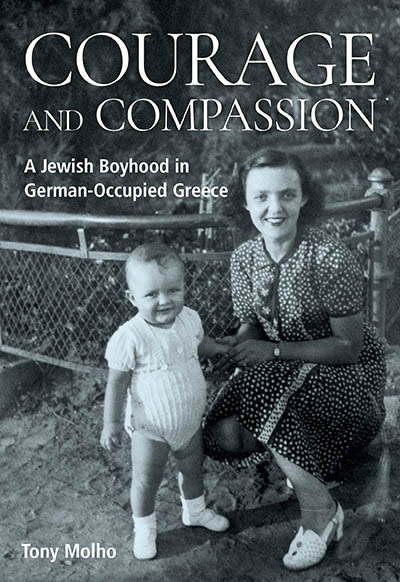
Tony Molho tells a dramatic story of survival under the most adverse conditions during the Holocaust. A historian himself now telling his own story, Molho writes an autobiographical text that speaks of a Jewish childhood in Greece during World War II and the Axis Occupation.
Subjects: Jewish Studies History: World War II Genocide History
Paperback available
Subjects: History: World War II Cultural Studies (General) Literary Studies
Paperback available
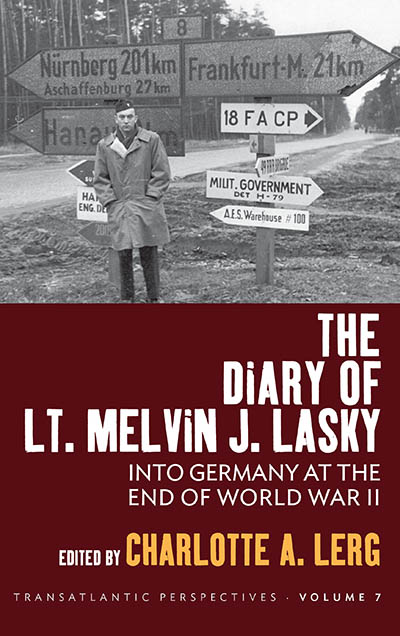
The Diary of Lt. Melvin J. Lasky reproduces and critically examines Melvin J. Lasky’s diary, which expounds intense and insightful notes on German realities following the aftermath of World War Two and the ideological conflicts between the East and West.
Subjects: History: World War II History: 20th Century to Present Literary Studies
Paperback available
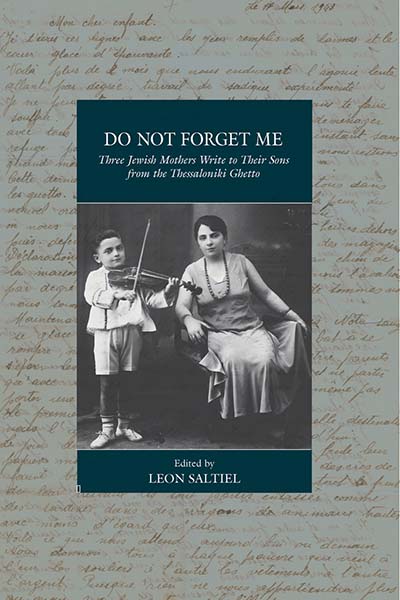
Following the Axis invasion of Greece, the Nazis began persecuting the country’s Jews as they had across occupied Europe, beginning with small indignities and culminating in mass imprisonment and deportations. Among the many Jews confined to the Thessaloniki ghetto during this period were Sarina Saltiel, Mathilde Barouh, and Neama Cazes—three women bound for Auschwitz who spent the weeks before their deportation writing to their sons.
Subjects: Jewish Studies History: World War II Genocide History
Paperback available
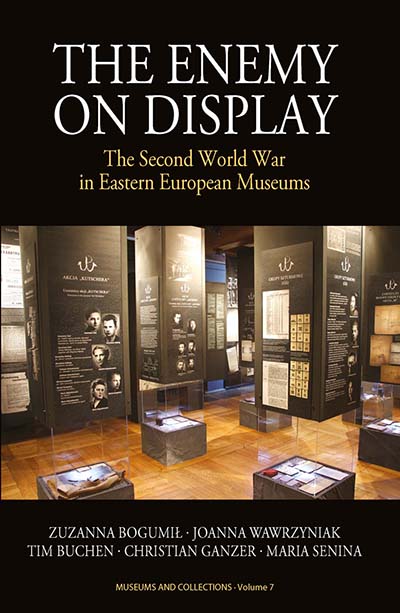
Eastern European museums represent the traumatic events of World War II, such as the Siege of Leningrad, the Warsaw Uprisings, and the bombardment of Dresden, in ways that cast the enemy in a specific light. This image results from the interweaving of historical representations, cultural stereotypes and beliefs, political discourses, and the dynamics of exhibition narratives. This book presents a useful methodology for examining museum images and provides a critical analysis of the role historical museums play in the contemporary world. As the catastrophes of World War II still exert an enormous influence over the national identities of Russians, Poles, and Germans, museum exhibits can play an important role in this process.
Subjects: Museum Studies History: World War II Memory Studies
Paperback available
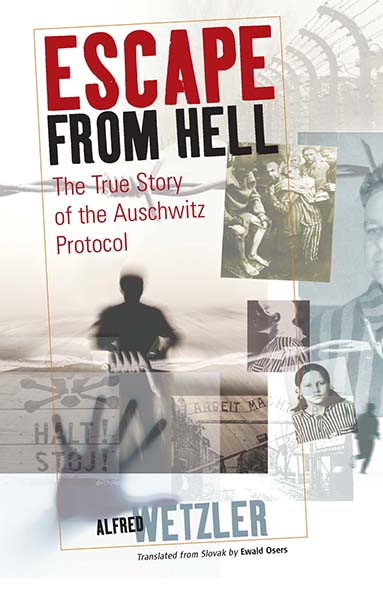
Subjects: Jewish Studies History: World War II Literary Studies
Paperback available
Subjects: History: World War II History: 20th Century to Present
Paperback available
Subjects: History: World War II Memory Studies
Paperback available
Subjects: History: World War II Memory Studies
Paperback available
Subjects: History: World War II Genocide History
Paperback available
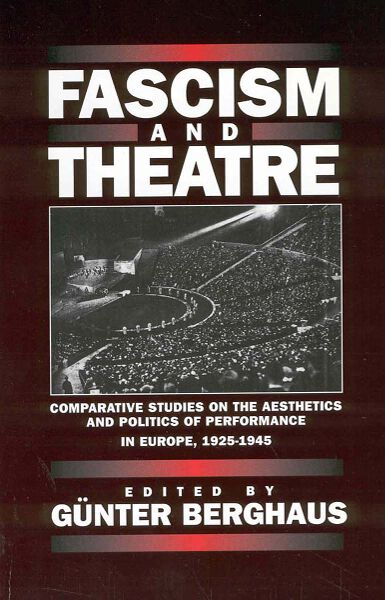
Subjects: Performance Studies History: World War II Literary Studies
Paperback available
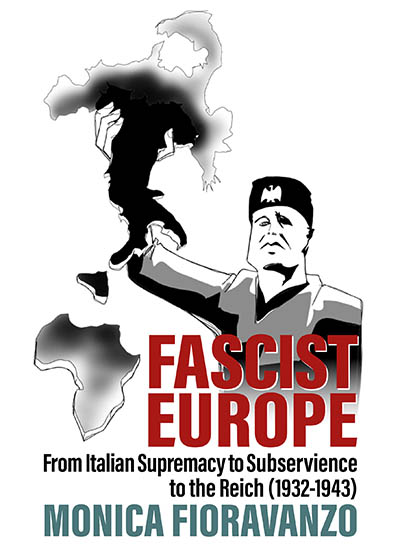
Examining the unexplored project for a new European order developed by Italian intellectuals, Fascist Europe reconstructs the theoretical debates that shaped relationships between Fascist Italy, the Nazi Reich, and other Axis nations. In doing so it sheds light on how much the order may have prospectively united or divided the Fascist regime and the Nazi Reich in the post-war order.
Subjects: History: 20th Century to Present History: World War II
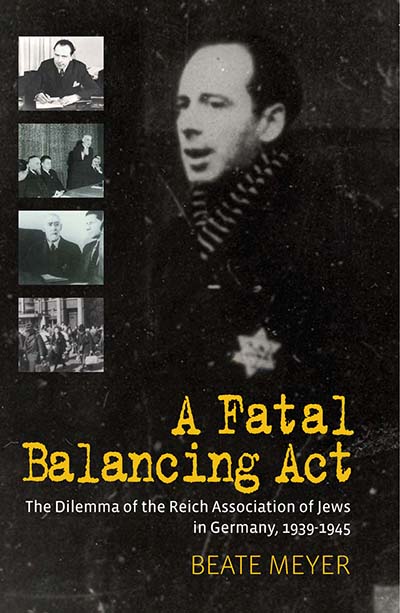
“Beate Meyer has chosen to research a serious subject that is by any standard difficult and painful to confront in an honest way… The book is a careful, detailed study of the Reich Association of Jews in Germany.” · Canadian Journal of History
“[The author] keeps the focus on the individual without ever losing sight of the overall crime. This book…can be considered as an essential contribution to the history of the extermination of the German Jews.” · Bulletin of the Fritz Bauer Institute, Frankfurt
“Beate Meyer succeeds in producing a nearly complete picture of procedures and decisions within the organization. In addition she describes openly but not without empathy the diverse, often narrow perspectives and possibilities of responsible individuals in their respective situation.” · Sehepunkte
Subjects: History: World War II Jewish Studies Genocide History
Paperback available
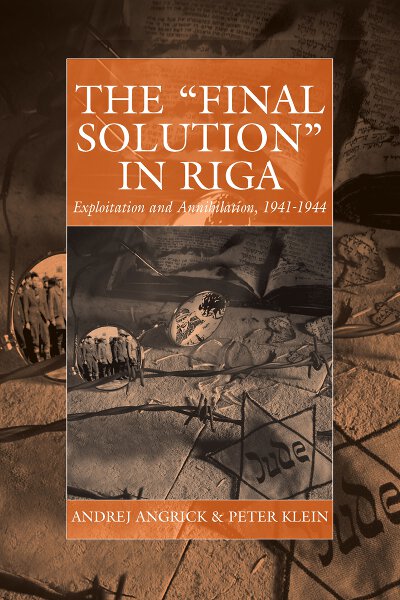
Subjects: History: World War II Genocide History Jewish Studies
Paperback available
Subjects: Literary Studies History: World War II
Paperback available
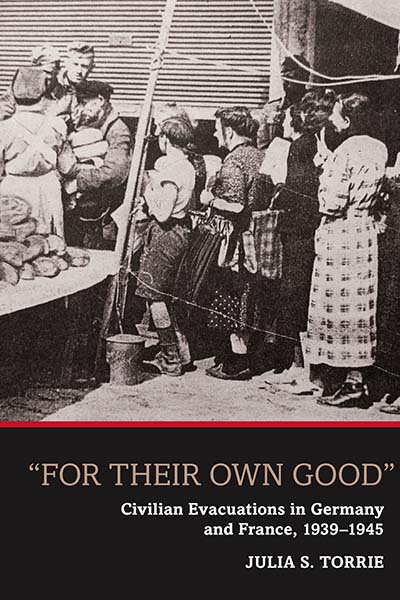
The early twentieth-century advent of aerial bombing made successful evacuations essential to any war effort, but ordinary people resented them deeply. Based on extensive archival research in Germany and France, this is the first broad, comparative study of civilian evacuations in Germany and France during World War II
Subject: History: World War II
Paperback available

In 1942-1945, Siemens & Halske AG maintained an armaments factory adjacent to the Ravensbrück women's concentration camp, where up to 2,300 female prisoners were deployed in forced labor. This volume contains the testimonies of Ravensbrück survivors, shedding light on the system of forced labor in the context of the concentration camp
Subjects: Genocide History Jewish Studies History: World War II
Subjects: History: World War I History: World War II Memory Studies
Paperback available
Subjects: History: 20th Century to Present History: World War I History: World War II Media Studies
Paperback available
Subject: History: World War II
Paperback available
Subject: History: World War II
Paperback available
Subject: History: World War II

An illuminating chronicle of the concentration, ghettoization, and deportation of Hungarian Jews in 1944-1945, Gendarmes, Bureaucrats, and Jews presents, for the first time in English, the key primary sources from the period, documenting how this genocidal program was facilitated by both the Nazi regime and the Hungarian state.
Subjects: Jewish Studies Genocide History History: World War II

Analyzing the correlation between the educational system and ideas about religion, community, and nationhood, German Elementary Education from 1890 to 1945 highlights how an investment in children’s moral and national education united the Wilhelmine, Weimar, and Nazi eras, providing a vital lens for charting the continuities and changes within German society.
Subjects: History: World War I History: World War II Genocide History

Samuel Huston Goodfellow examines the spread of Nazism from Germany to Southwest Africa, where former colonists sought to preserve German culture and reclaim influence. When the South African administration interned Germans at the start of the war, competing priorities between local and homeland Germans divided support for Hitler.
Subjects: History: World War II Colonial History
Between 1935 and 1940, the Nazis incorporated large portions of Europe into the German Reich. The contributors to this volume analyze the evolving anti-Jewish policies in the annexed territories and their impact on the Jewish population, as well as the attitudes and actions of non-Jews, Germans, and indigenous populations.
Subjects: History: World War II Genocide History
Paperback available

An enlightening chronicle of General Kurt von Hammerstein’s daughters, Marie Louise, Maria Therese, and Helga, and their attempts to thwart Hitler’s regime, this book provides an unrivalled insight into an overlooked history of tradition, resistance, adaptation, and rebellion in Nazi Germany.
Subjects: History: World War II History: 20th Century to Present Genocide History
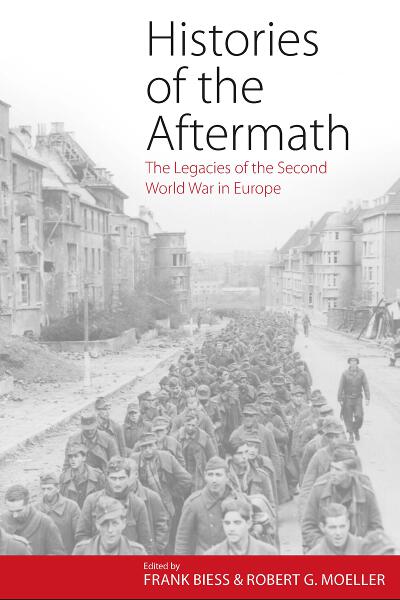
Subject: History: World War II

In this exacting examination of the history of the I.G. Farben trial, Stephan H. Lindner charts the build up and aftermath of this watershed event, in order to highlight its implications for understanding the complexities of corporate social responsibility and of putting the military-industrial complex on trial.
Subjects: History: World War II History: 20th Century to Present Genocide History
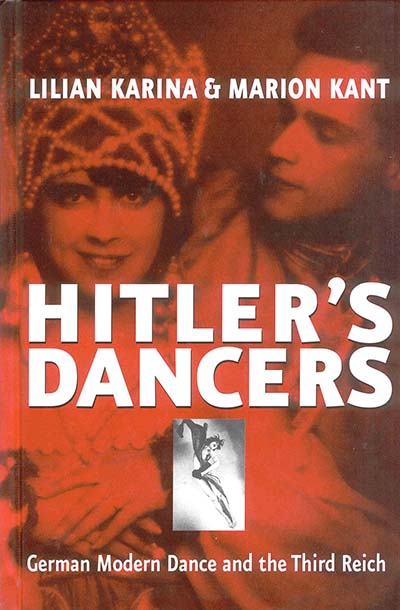
Subjects: Performance Studies History: World War II Gender Studies and Sexuality
Paperback available
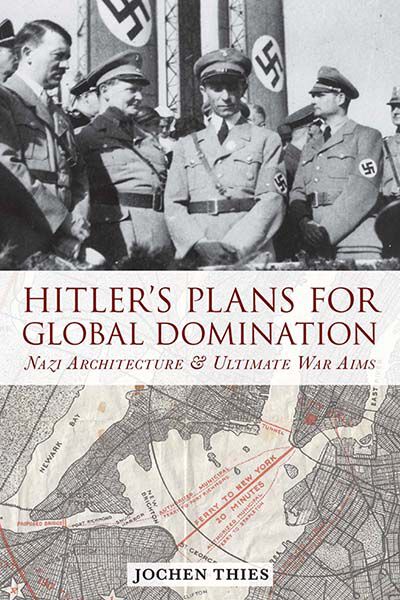
Subject: History: World War II
Paperback available
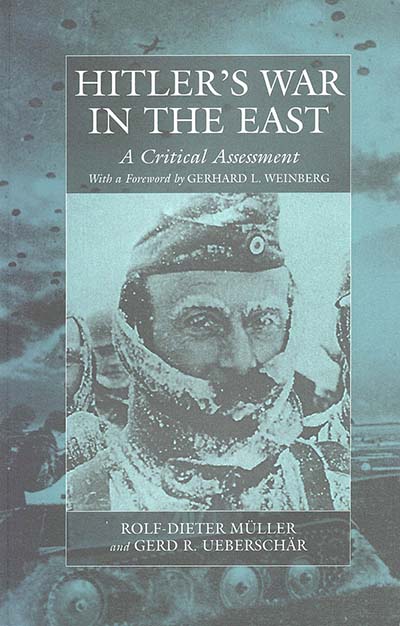
Subject: History: World War II
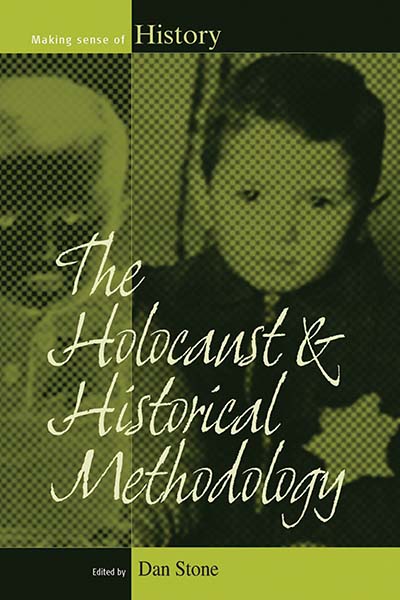
Subjects: Genocide History History: World War II
Paperback available

A ground-level history of the Holocaust, told through the voices of twenty European Jews. Drawing from diaries and memoirs, it reveals a multiplicity of experiences across countries, classes, and religious backgrounds. Each chapter traces a single year in the protagonists’ lives, placing personal decisions within the context shifting Nazi policies.
Subjects: Jewish Studies Genocide History History: World War II
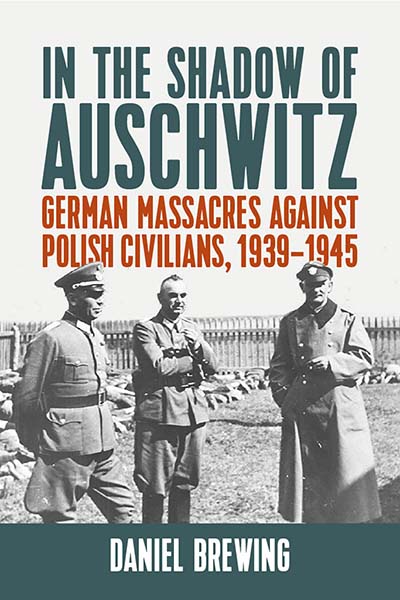
An in-depth analysis of German massacres in Poland over the whole period of German occupation during the Second World War, this innovative study recounts the widely forgotten ethnic Polish civilian victims. Using both German and Polish sources, In the Shadow of Auschwitz uncovers for the first time the depredations that were inflicted on Polish society under Nazi rule.
Subjects: Genocide History History: World War II
Paperback available
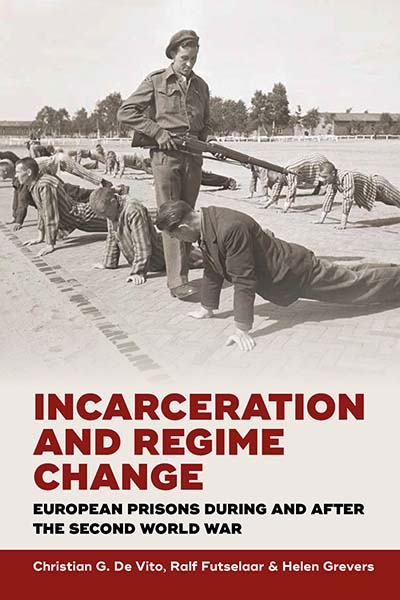
During the “long” Second World War, military mobilization, social disorder, and political changes swelled the ranks of the imprisoned and broadened the carceral reach of the state. This volume brings together theoretically sophisticated, empirically rich studies of key transitional moments that transformed European prisons during and after the war.
Subjects: History: World War II History: 20th Century to Present
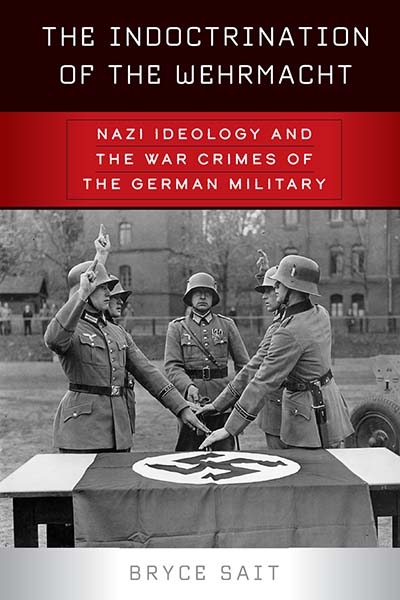
Far from the image of an apolitical, “clean” Wehrmacht that persists in popular memory, German soldiers regularly cooperated with organizations like the SS in the abuse and murder of countless individuals. This in-depth study reveals that military indoctrination was but one piece of the larger effort at the socialization of young men during the Nazi era.
Subjects: History: World War II Genocide History History: 20th Century to Present
Paperback available
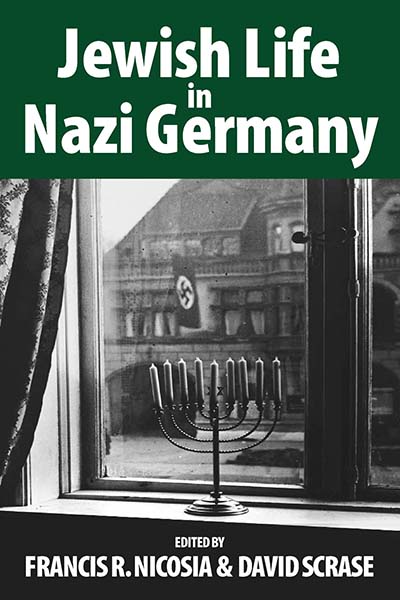
Subjects: Jewish Studies History: World War II Genocide History
Paperback available
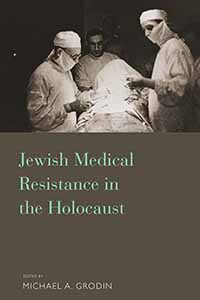
Based on archival materials and featuring memoirs of Holocaust survivors, this volume offers a rich array of both tragic and inspiring studies of the sanctification of life as practiced by Jewish medical professionals. More than simply a medical story, these histories represent the finest exemplification of a humanist moral imperative during a dark hour of recent history.
Subjects: Genocide History History: World War II
Paperback available
Subject: History: World War II
Paperback available
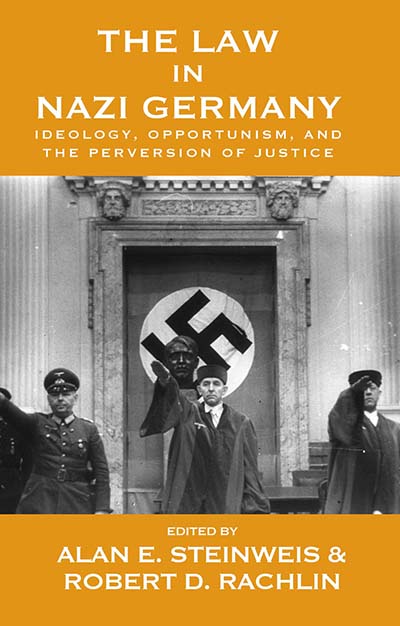
Subjects: History: World War II History: 20th Century to Present
Paperback available
Subjects: History: 20th Century to Present History: World War I History: World War II
Paperback available
In 1944, a number of Sonderkommando—“special squads” of Jewish prisoners who kept the gas chambers running smoothly—buried on the grounds of Auschwitz a series of remarkable eyewitness accounts. This study reconstructs their history and textual content, revealing literary works that raise troubling questions about the nature of testimony.
Subjects: Genocide History History: World War II Jewish Studies
Paperback available
Subjects: History: World War II Genocide History
Paperback available
Increasingly, recent historical scholarship has demonstrated a willingness to study the Holocaust at scales as focused as a single neighborhood or family. This volume brings together scholars to reflect on the ongoing microhistorical turn in Holocaust studies, assessing its historiographical pitfalls as well as the distinctive opportunities it affords researchers.
Subjects: Genocide History History: World War II Jewish Studies
Paperback available
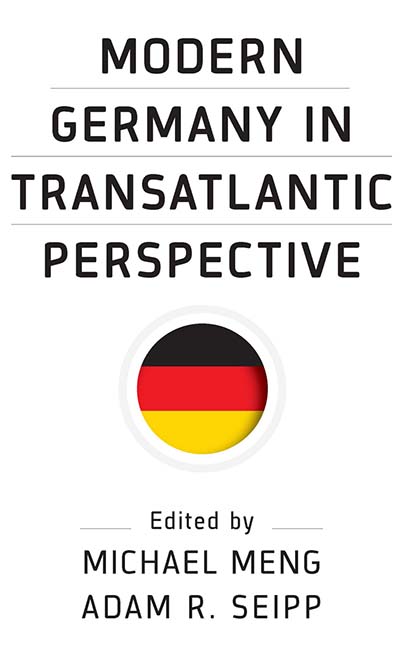
Modern Germany in Transatlantic Perspective celebrates the extraordinary life and scholarly career of Konrad H. Jarausch, whose monumental work as a teacher, mentor, and builder of scholarly institutions, helped to inspire conversations about everything from the rise of Nazism to the history of the two Germanys.
Subjects: History: 20th Century to Present History: World War II
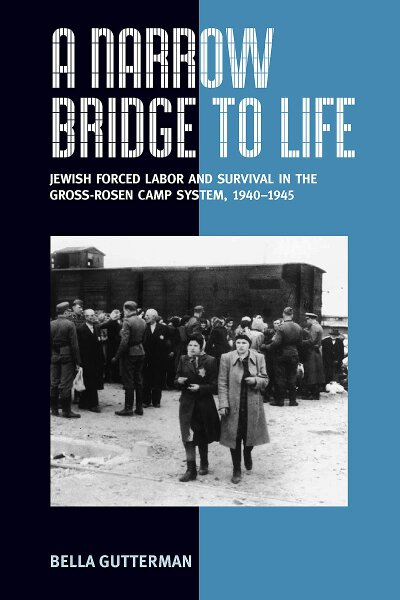
Subjects: Jewish Studies History: World War II
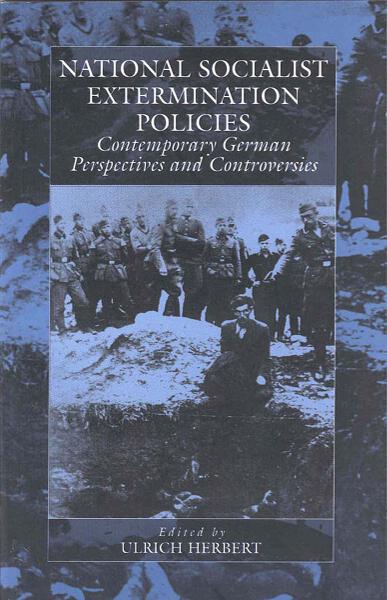
Subjects: History: World War II Genocide History Jewish Studies
Paperback available
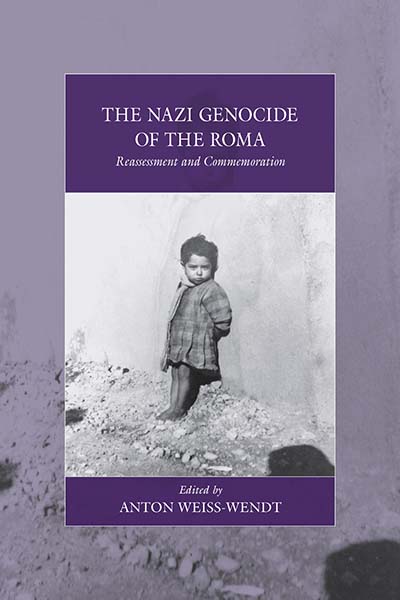
Subjects: Genocide History History: World War II
Paperback available
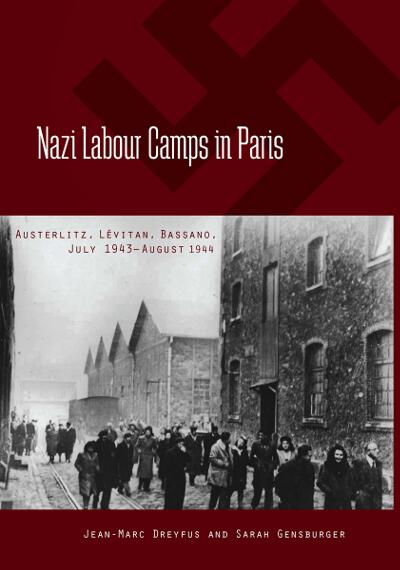
Subjects: History: World War II Genocide History
Paperback available
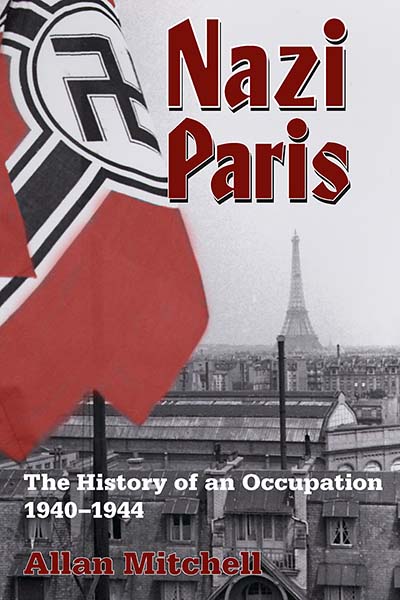
Subject: History: World War II
Paperback available
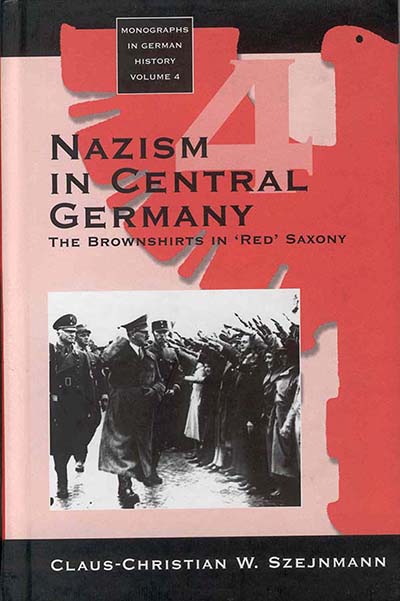
Subject: History: World War II
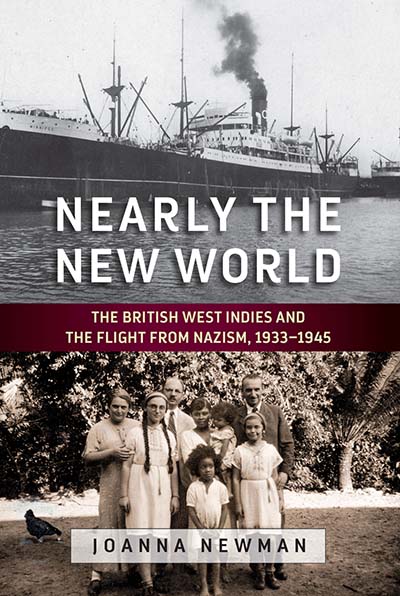
In the years leading up to the Second World War, increasingly desperate European Jews looked to far-flung destinations such as the Barbados, Trinidad, and Jamaica in search of refuge. Nearly the New World tells the remarkable story of Jewish refugees who overcame persecution and sought safety in the West Indies from the 1930s through the end of World War II
Subjects: Jewish Studies Genocide History History: World War II Refugee and Migration Studies
Paperback available
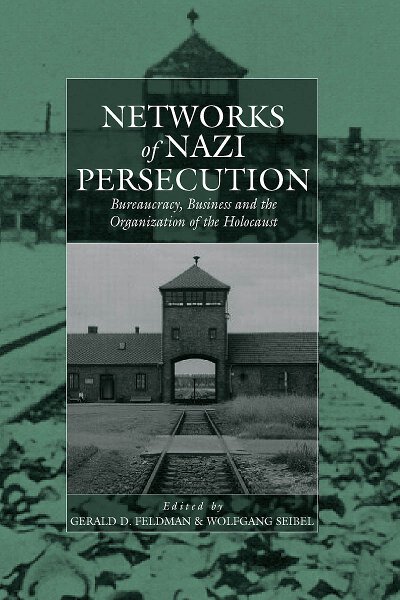
Subjects: History: World War II Genocide History
Paperback available
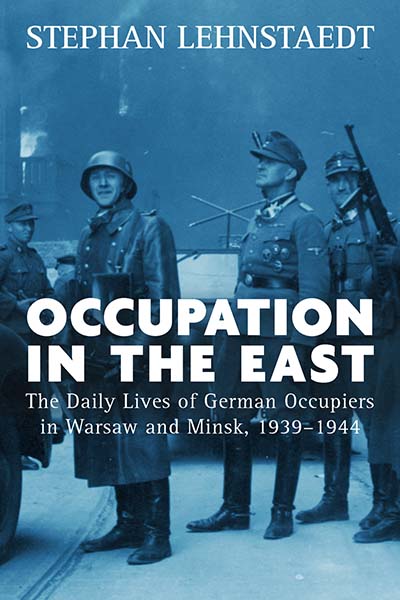
Following their occupation by the Third Reich, Warsaw and Minsk became home to tens of thousands of Germans. This study provides a nuanced portrait of their lives, as they acclimated to the daily routines of life in the East while helping to lay the groundwork for systematic mass murder.
Subject: History: World War II
Paperback available
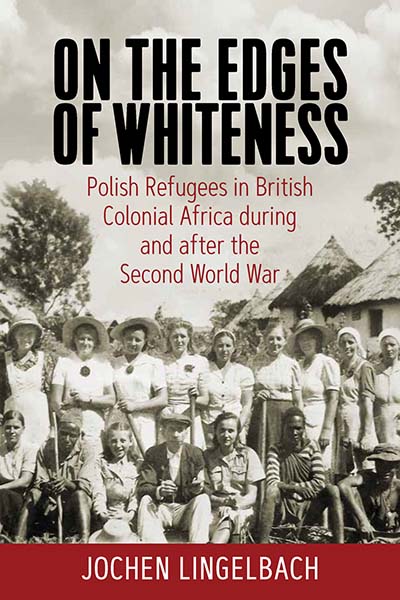
From 1942 to 1950, nearly twenty thousand Poles found refuge from the horrors of World War II in camps within Britain’s African colonies, including Uganda, Tanganyika, and Kenya. On the Edges of Whiteness tells their improbable story, tracing the manifold, complex relationships that developed among refugees, their British administrators, and their African neighbors.
Subjects: History: World War II Refugee and Migration Studies Colonial History
Paperback available

An illuminating re-examination of the 1941 invasion of the Soviet Union, Operation Barbarossa and its Aftermath refocuses attention on the multiethnic nature of this military campaign, by considering the role played by troops from Slovakia, Romania, Italy, Spain, and others in Hitler’s plans for the Eastern Front and the Holocaust.
Subjects: History: 20th Century to Present History: World War II Genocide History
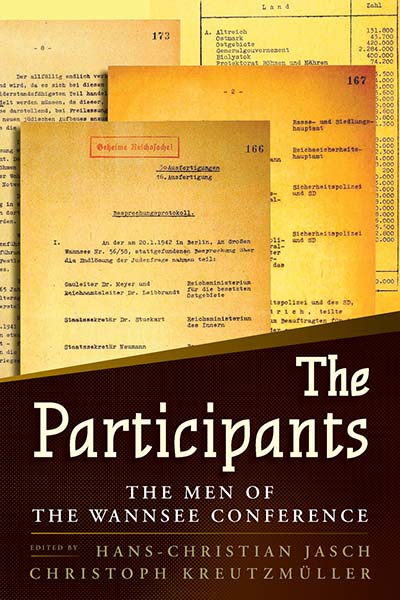
Although the Wannsee Conference of January 20, 1942 is today understood as a signal episode in the history of the Holocaust, many of its attendees remain relatively unknown to nonspecialists. Combining accessible prose with scholarly rigor, The Participants presents fascinating profiles of the all-too-human men who implemented some of the most inhuman acts in modern history.
Subjects: Genocide History History: World War II
Paperback available

An illuminating translation of the journal of Jean Louis Mary Pasquiers, a former teacher and forced laborer, Passing Misery documents Pasquiers’ life within war-torn Europe, in unwilling service to the Nazi regime. In doing so, this book offers an unrivalled insight into the reality of collaboration and culpability during war.
Subjects: History: World War II Genocide History History: 20th Century to Present
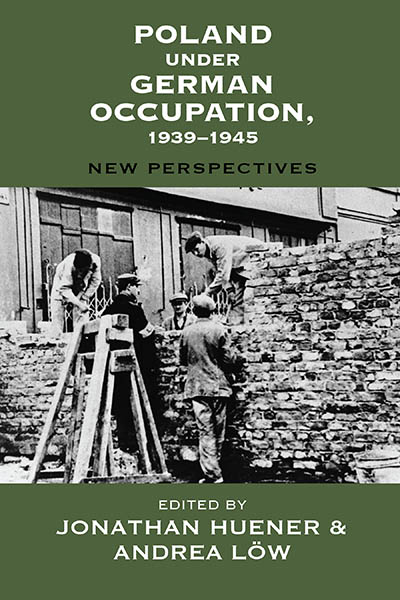
Poland under German Occupation, 1939-1945 explores questions of Polish-Jewish life that are rarely discussed and new methodological directions to advance debates on the complicity of Polish citizens during the mass murder of Jews under the nation’s Nazi occupation.
Subjects: History: World War II Genocide History Jewish Studies

The first study on the translation, publication and marketing of literary memoirs, by both Jewish and non-Jewish victims of Nazi persecution, for British readers during the years of Nazi rule. It reveals how German and Austrian Christians, rather than Jewish victims, came to represent ‘what Britain was fighting for’.
Subjects: Genocide History Jewish Studies History: World War II
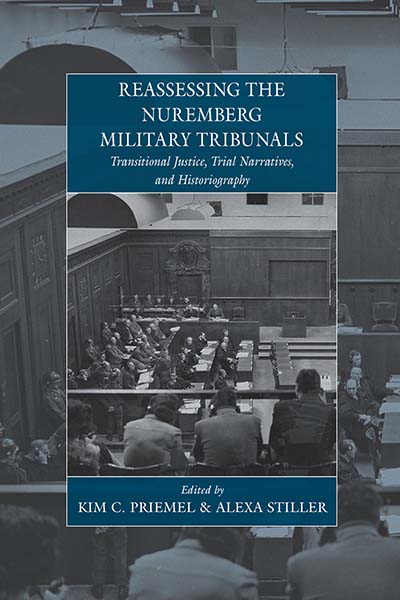
Subjects: History: World War II Genocide History
Paperback available
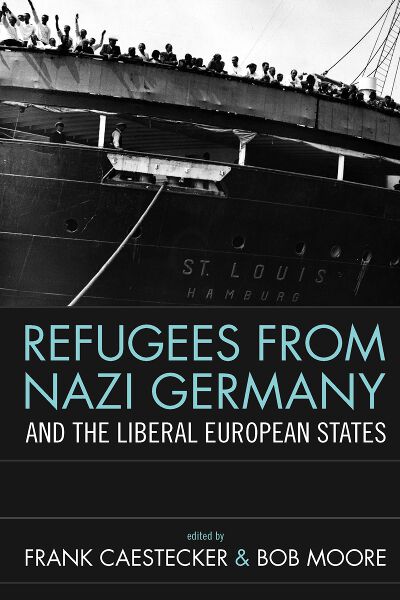
Subjects: History: World War II Refugee and Migration Studies
Paperback available

An illuminating chronicle of the life and work of Jewish couple, László and Eugenia Szamosi, liberating oppressed Jews in Nazi-occupied Budapest, Remembering Resistance offers an unrivalled insight into a family’s personal history of resistance and provides a paradigm for mediating our methods of remembrance.
Subjects: Jewish Studies Genocide History History: World War II
Greece and Poland have recently reignited debates on minimally settled reparations demands resulting from suffering under the terror of Nazi occupation during the Second World War. Using an international law perspective, this expansive volume reconstructs the German occupation of Poland and Greece and confronts German aversions to reparations debt.
Subjects: History: World War II History: 20th Century to Present
Subjects: History: World War II Colonial History
Paperback available
Subjects: History: World War II Gender Studies and Sexuality Cultural Studies (General) Gender Studies and Sexuality
Paperback available

Subject: History: World War II

Subjects: History: World War II History: 20th Century to Present
Paperback available
Subjects: History: World War II History: 20th Century to Present
Paperback available
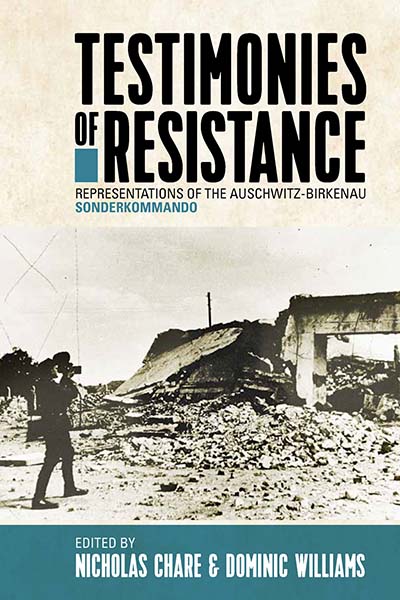
As eyewitnesses to and unwilling abettors of the murder of their fellow Jews, the Sonderkommando comprise one of the most fascinating and troubling topics within Holocaust history. This interdisciplinary collection assembles careful investigations into how the Sonderkommando have been represented—both by themselves and by others—during and since the Holocaust.
Subjects: History: World War II Genocide History Jewish Studies
Paperback available
Subjects: Performance Studies History: World War II Literary Studies
Paperback available
Between 1939 and 1945 some 80,000 Finnish children were sent to Sweden, Denmark, and elsewhere, ostensibly to protect them from danger while their nation’s soldiers fought superior Soviet and German forces. This is the first English-language account of Finland’s war children and their experiences, told through the survivors’ own words.
Subjects: History: World War II Memory Studies
Paperback available

Subjects: History: World War II Genocide History Memory Studies Transport Studies
Paperback available
Subjects: History: World War II Film and Television Studies
Paperback available
“This book opens up important issues not dealt with extensively in the historiography so far. Unlike with some other post-Communist countries, and Poland in particular, there hasn't been that much interest in the topic of commemoration and historicisation of the Holocaust in post-Communist Czechoslovakia…The author should be praised for the critical distance with which he approaches the historical cultures in both parts of former Czechoslovakia and its actors.” · Michal Frankl, Jewish Museum in Prague
Subjects: Genocide History History: World War II Jewish Studies
Paperback available
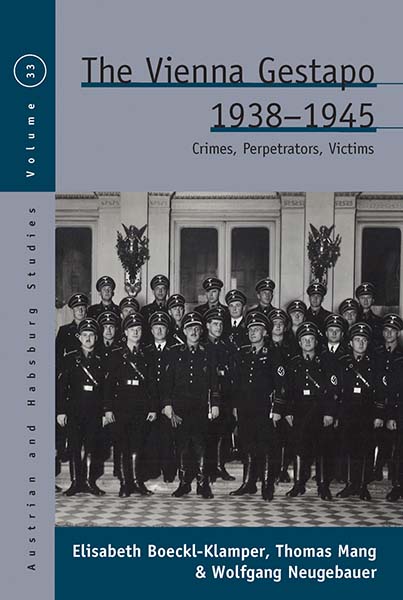
The Vienna Gestapo was the most important instrument of Nazi terror on Austrian soil. Through expert historical analysis of the Vienna Gestapo in the years 1938-1945, this volume provides a comprehensive presentation of not only the victims of persecution but also of the structures, organization and individuals actively involved on the Gestapo side.
Subjects: History: World War II Jewish Studies
Paperback available
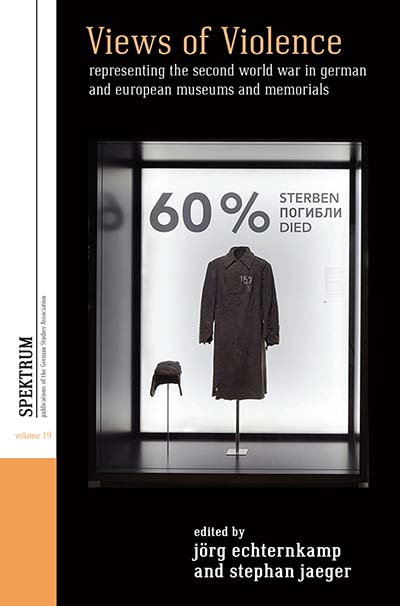
The modern vision of historical violence has been immeasurably influenced by cultural representations of the Second World War. This volume takes a historical perspective on World War II museums and explores how these institutions came to define the broader European, and even global, political contexts and cultures of public memory.
Subjects: Museum Studies History: World War II Memory Studies
Paperback available

Ernst Kitzinger, a 20th-Century art historian, was one of 2,500 men arrested in 1940 as ‘enemy aliens’ and deported from Britain to Australia aboard the HMT Dunera. Incarcerated in Hay, Kitzinger and his fellow internees mused on their lot through powerful prose and poetry, published here for the first time.
Subjects: Jewish Studies History: World War II Genocide History Refugee and Migration Studies
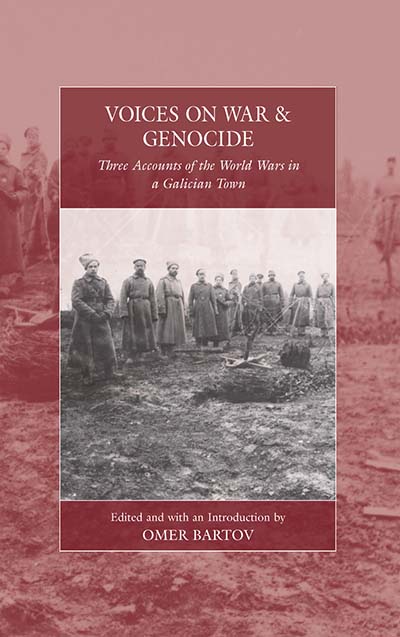
Taking as its point of departure Omer Bartov’s acclaimed recent monograph Anatomy of a Genocide, this volume brings together three extensive and previously unknown accounts of residents from the Ukrainian town of Buczacz, covering events during and between both world wars.
Subjects: History: World War II Jewish Studies Genocide History
Paperback available
Subject: History: World War II
Subjects: History: World War II Genocide History
Paperback available

A geographically wide-ranging study of women’s Zionist history, Women’s Zionism Worldwide seeks to provide a reassessment of the activities, aims, and achievements of women-led organizations, highlighting the impact their role had on Zionist ideology and gender relations.
Subjects: Jewish Studies History: 20th Century to Present History: World War II

In this collection of essays, Browning explores the evolution of Holocaust historiography and illustrates key research trends. Taken together, these essays highlight the shifting focus in Holocaust scholarship, from Germany to Eastern Europe, policy making to implementation, leaders to participants, and perpetrators to victims.