




New Paperbacks
See also: Browse all Paperbacks by Subject
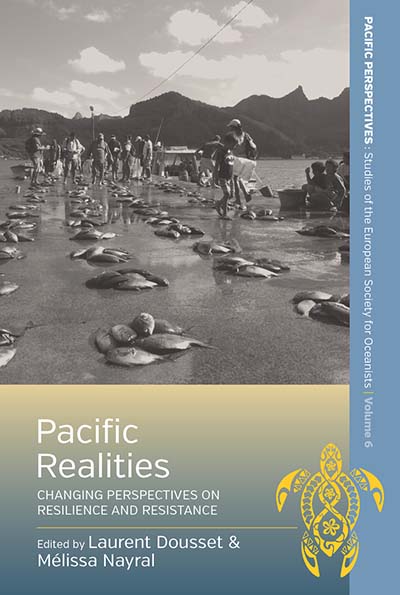
In the context of dramatic changes and processes of “glocalization” across the Pacific region, and avoiding conventional “local-global” dichotomies, this volume explores the new and multifaceted forms of resistance and resilience through which communities attempt to regain their original social, political, and economic status and structure after disruption or displacement.

An anthropological study of the health system of the Dagara people of northern Ghana and southern Burkina Faso, Of Life and Health develops a cultural and epistemological lexicon of Dagara life by examining its religious, ritual, and artistic expressions, and gives a holistic account of the Dagara knowledge system.
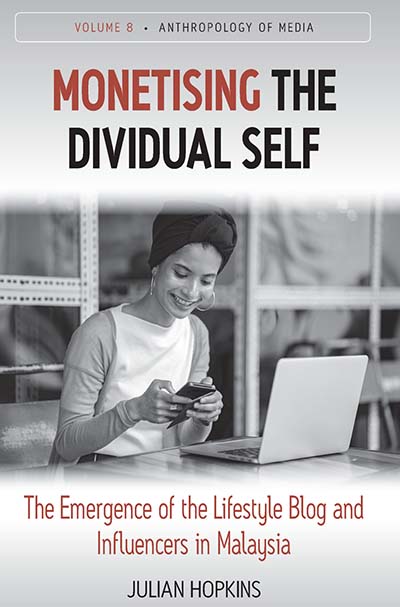
Combining theoretical discussions with shorter case studies, this book offers an anthropological exploration of the emergence in Malaysia of lifestyle bloggers. It tracks the transformation of personal blogs, which attracted readers with spontaneous, authentic accounts of everyday life, into lifestyle blogs that generate income through advertising and foreground consumerist lifestyles.
Bringing together new research by leading scholars, this volume rethinks the role played by militaries in politics. The volume introduces new theories of military politics, arguing against the inherited theories and practices of civil-military relations, and presents rich new data on senior officership and on the intersection of military politics and military operations.
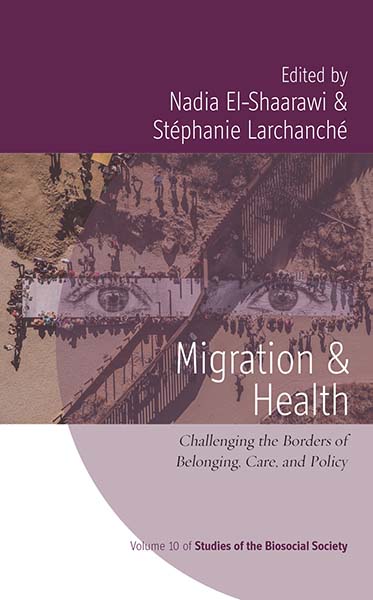
Despite the centrality of migration in our contemporary world, scholarship on mobility and health frequently separates migrants according to legal status, country of origin, destination, or health concern. Yet people on the move and health systems face challenges and opportunities that transcend these boundaries, including border fortification, neoliberal agendas, and climate change. This volume challenges these epistemic borders.
Food Connections follows the movement of food from its production sites in West Africa to its final spaces of consumption in Europe. It is an ethnographic study of economic and social life amongst a close-knit community of food producers, traders andconsumers and a wide range of small intermediaries that operate in Guinea-Bissau and Portugal.
Informing current debate about the future of the humanities, this volume focuses discussions on the Bildung’s original German context using a multi-disciplinary perspective root out the interesting ways that Bildung continues to shape our understanding of self-formation.
Afterword by Randolph C. Head
This volume offers a coherent and interdisciplinary approach to a wide variety of early modern subjects centered on onomastics, the study of names. Leading scholars in the field seek to explore the dynamics and impact of this naming (or renaming) process in a variety of contexts: social, artistic, literary, theological, and scientific.
Through an intermedial approach combining studies on cinema and photography, Moving Frames addresses precise historical moments uniquely in a German context. Across films both in and outside the canon, this volume tackles those specific historical moments experienced in media forms to gauge the cultural, political, and transnational trends in humanity’s desire for agency and how that agency is represented.
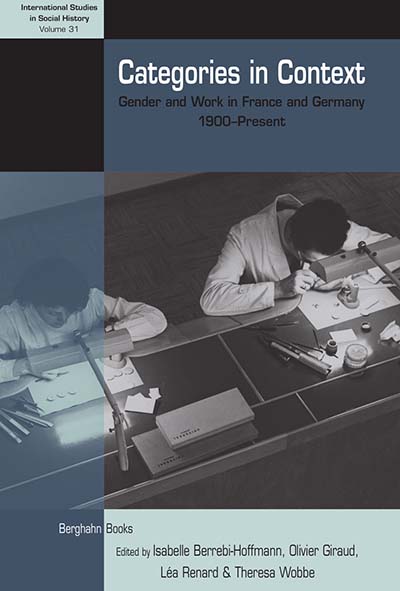
Despite the wealth of empirical research into the interrelationships of gender and labor available, little is known about the forms of classification and categorization shaping these social phenomena. Categories in Context enriches our understanding of how cognitive categories such as status, law, and rights have been produced, comprehended, appropriated, and eventually transformed in France and Germany.
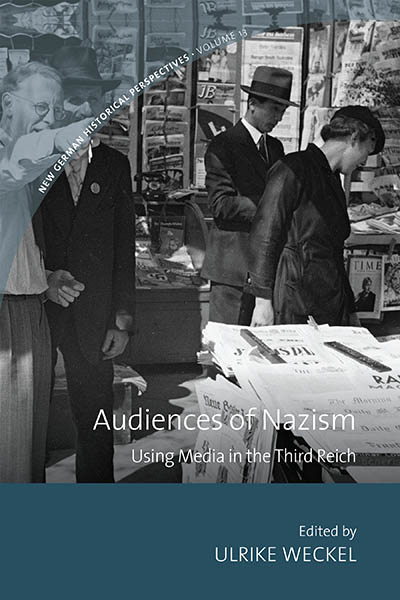
Innovating against the considerable gap in research surrounding historical media reception within Nazi Germany, Audiences of Nazism finds sources of actual audience responses to critically engage with the Third Reich’s media production legacy.

Exploring Shakespeare’s religious afterlives, this volume examines translations, adaptations, and performances across Sweden, Spain, and the United States. Bringing together literary, theatrical, and religious perspectives, it highlights how Shakespeare’s works continue to shape religious interpretation, cultural meaning, and lived experience across diverse historical and social contexts.

Germany has one of the most lively and well-developed punk scenes in the world. However, punk in this country is not just a style-based music community. This book provides an anthropological examination of how punk reflects the larger changes and contradictions in post-reunification Germany.
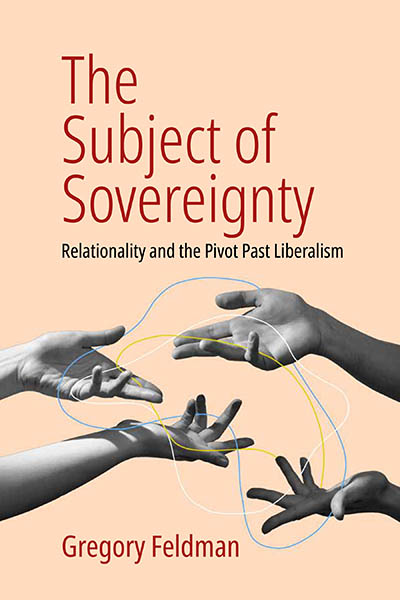
Exploring the themes of nature, race, and the divine, this book identifies the more realistic alternative in the “relational subject”: a subject that is inseparable from the global field of relations through which it emerges and yet distinct from that field because it lives a life that no one else ever has.
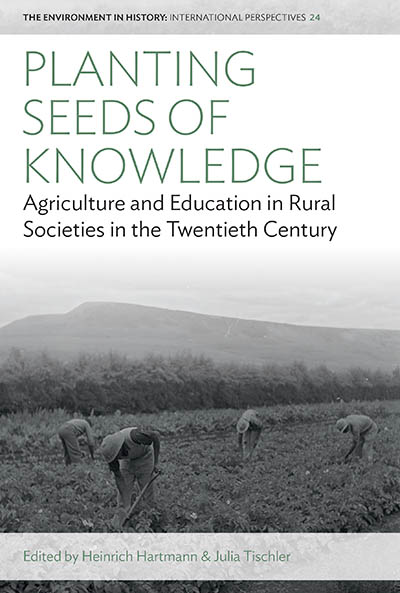
In the late nineteenth and early twentieth centuries, agricultural practices and rural livelihoods were challenged by changes such as commercialization, intensified global trade, and rapid urbanization. Planting Seeds of Knowledge studies the relationship between these agricultural changes and knowledge-making through a transnational lens.

Through extensive archival research and conversations with renowned publicists, musicians and insiders, author Michael Rauhut examines more than fifty texts to give an in-depth overview of the historical development of blues music in East and West Germany during the postwar period.

An ethnographic account of daily life in Durham Cathedral, this book examines the processes of negotiation and change between a community and their cathedral.
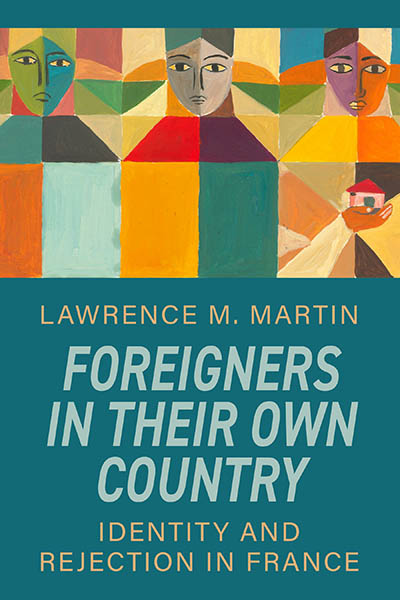
Paying close attention to how people speak about themselves and their acceptance and rejection by others, this book provides an intimate account of the challenges faced by the millions of people in France—and throughout Western Europe—who fully participate in the life of their country but are often not seen as belonging there.
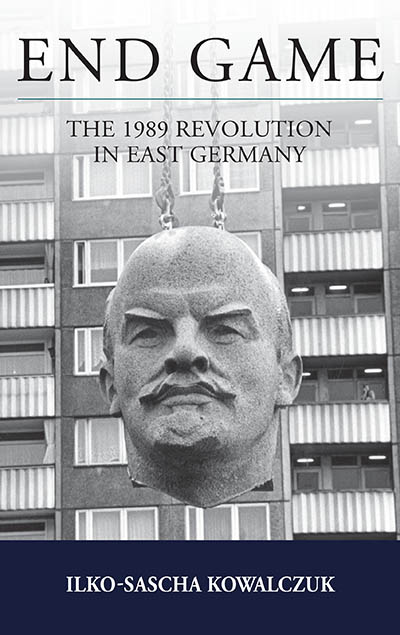
Focusing on major shifts in East Germany leading to the fall of the Berlin Wall, End Game accounts for everyday life from the autumn of 1989 to the first free elections in March of 1990. With an understanding of the events of 1989 as a citizens’ movement as a whole, the volume contextualizes the societal reactions to a nation’s large scale political changes.
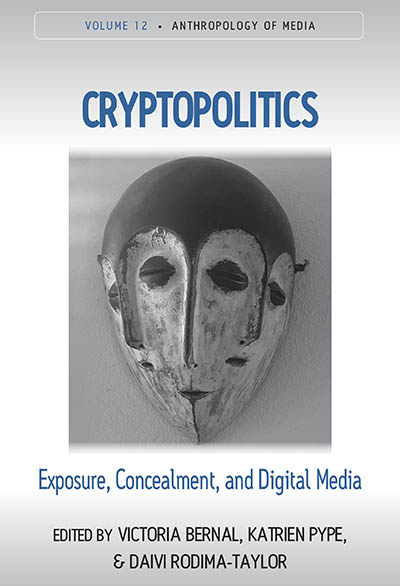
Focusing on African societies, Crypolitics brings together empirically grounded studies of digital media to draw out the significance of hidden information, double meanings, and the constant processes of encoding and decoding messages in negotiations of power relations.
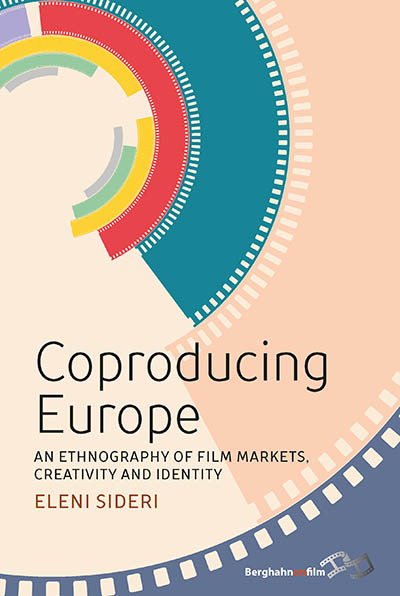
By focusing on regional film markets in Thessasloniki, Sarajevo, and Tbilisi, Coproduction Europe uses comparative ethnography to look beyond the economic nature of film coproductions to explore their role in Europeanisation, memories of the Cold War, and preconstructed political agendas.
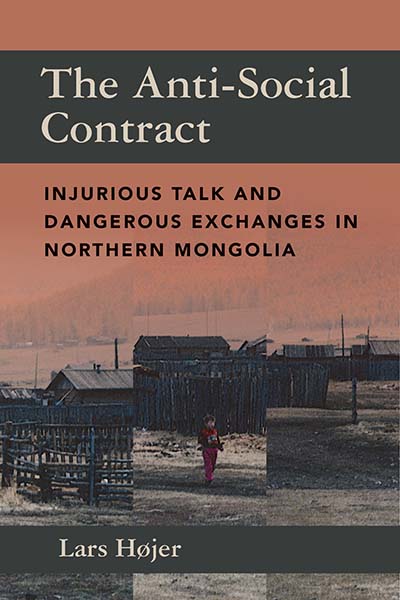
Set in a remote district of villagers and nomadic pastoralists in the northernmost part of Mongolia, this ethnography reveals an everyday universe where uncertain relations are as much internally cultivated in indigenous Mongolian perceptions of social relatedness, as it is externally confronted in postsocialist surroundings of unemployment and diminished social security.
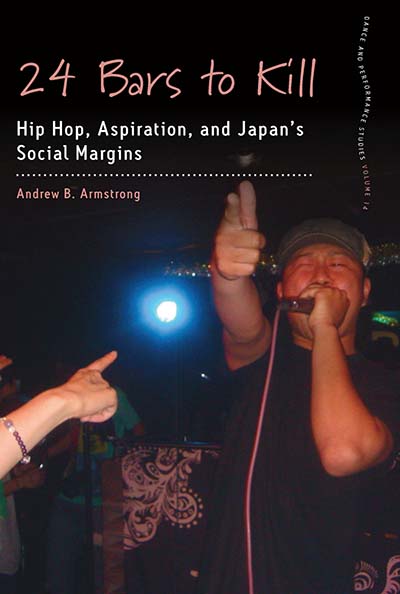
Contrary to persistent depictions of an ethnically and economically homogeneous Japan, “ghetto” or “gangsta” J-hop music gives voice to the suffering, deprivation, and social exclusion experienced by many modern Japanese. 24 Bars to Kill gives a fascinating ethnographic account of this music as well as the subculture around it.
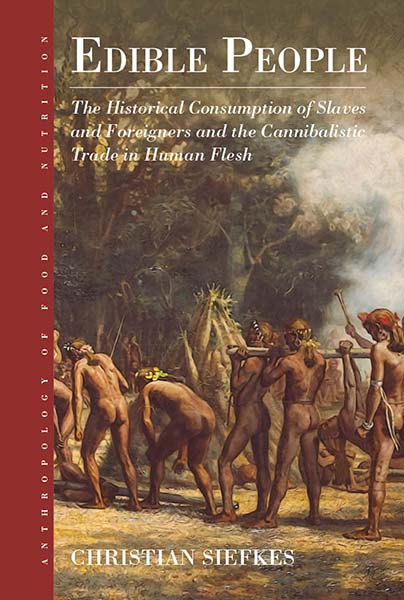
While human cannibalism has attracted considerable notice and controversy, certain aspects of the practice have received scant attention. These include the connection between cannibalism and xenophobia: the capture and consumption of unwanted strangers. Likewise ignored is the connection to slavery: the fact that in some societies slaves and persons captured in slave raids could be, and were, killed and eaten. This book explores these largely forgotten practices and ignored connections.
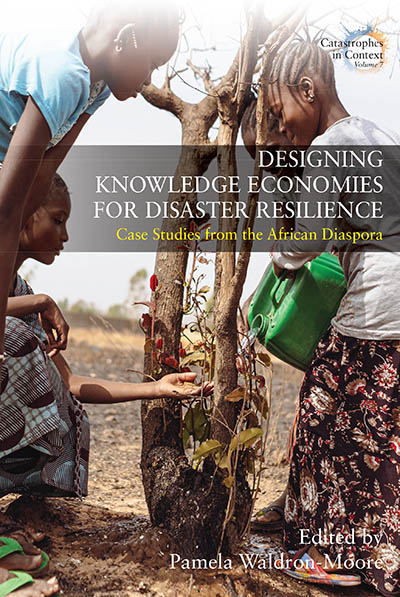
Acknowledging that low economic development and high climate costs do not equitably coexist, this collected volume interrogates the challenge for disaster-prone territories to determine supplemental strategies for restructuring and redesigning their environment.
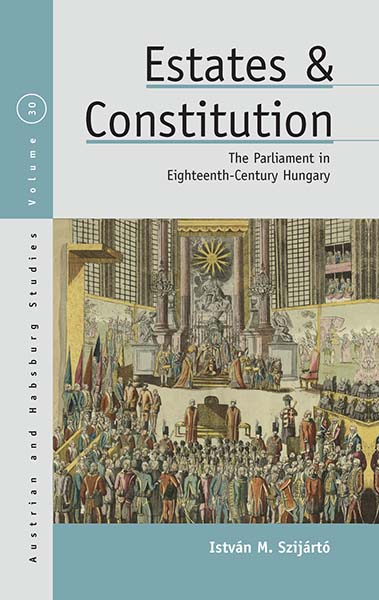
Estates and Constitution provides a rich account of Hungarian politics during the eighteenth century, restoring the Diet to its rightful place as one of the era’s major innovations in government. István M. Szijártó traces the religious, economic, and partisan forces that shaped the Diet, putting its historical significance in international perspective and demonstrating that it played a critical role in the eventual dissolution of the Austro-Hungarian Empire.
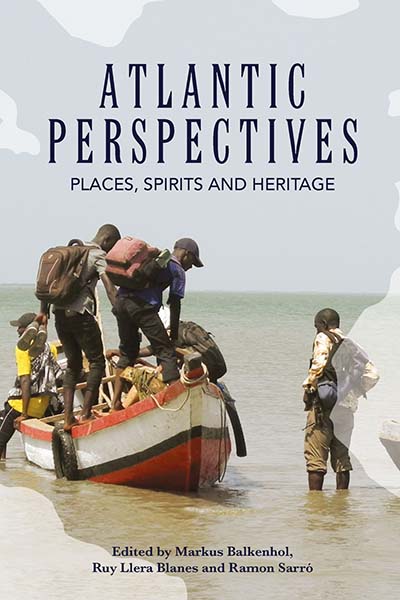
Focusing on mobility, religion, and belonging, the volume contributes to transatlantic anthropology and history by bringing together religion, cultural heritage and placemaking in the Atlantic world. The entanglements of religion, cultural heritage and belonging are ethnographically scrutinized to perceive the connections and disconnections of specific places.
In the wake of Sweden’s anniversary of 200 years of peace in 2014, this volume brings for the first time a targeted approach to the concept of claimed Swedish exceptionality. Taking on the nation’s policies of neutrality, 200 Years of Peace centers discussion around what it means for a nation to endure a uniquely long period of time without any pronounced conflict.
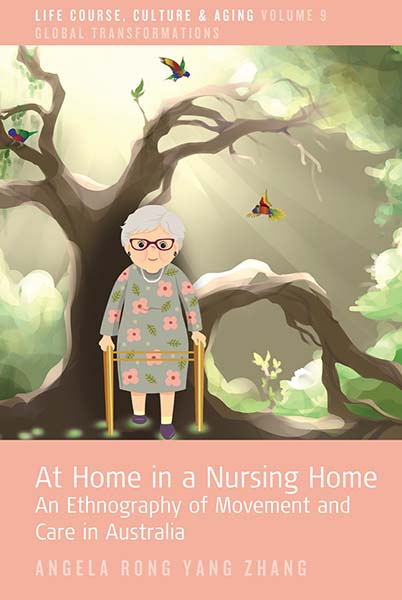
Focusing on contemporary ideas about how aged care is provided, this book poses the question: How can people who are aged and frail live out the final phase of their lives with dignity? In seeking answers, the author examines what it means to be ‘at home’ in residential care in a novel and compassionate way.
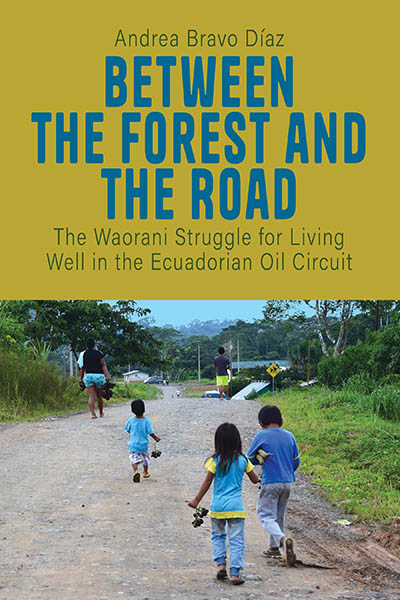
During the past two decades Ecuadorians have engaged in a national debate around Buen Vivir (living well). This ethnography discusses one of the ways in which people experience well-being or aspire to live well in Ecuadorian Amazonia. Waponi Kewemonipa (living well) is a Waorani notion that embraces ideas of good conviviality, health and certain ecological relations.
Roma identities have often been presented in literature as collectively constructed and in opposition to those who are not Roma. Contesting Moralities challenges these preconceptions about Roma identification by disentangling the binaries between Roma and nonRoma, state and non-state, public and private. This book explores topics resonating in contemporary Romani studies that are in need of further exploration through individual perspectives.

The critique of twentieth-century American anthropology often portrays anthropologists of the past as servants of colonialism who “extracted” information from indigenous peoples and published works causing them harm. This volume presents powerful refutations of these damaging myths.

This volume advocates for an analytical focus on intellectual exchange, as well as producing an ethnographically informed framework for its study across cultures and contexts.
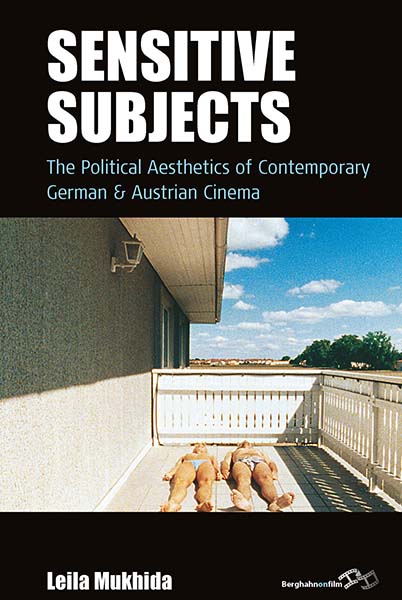
Sensitive Subjects examines how contemporary German-language cinema may be read as seeking to produce greater political sensitivity in audiences through its form—that is, by employing medium-specific devices such as lighting, sound, editing and mise-en-scène in ways that prompt a more critical stance towards the societies it depicts.
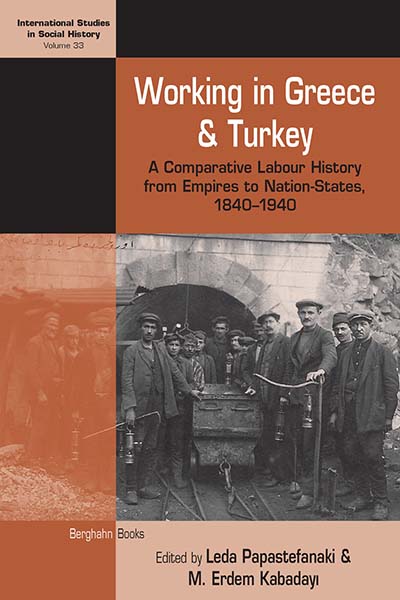
The studies in Working in Greece and Turkey provide an overdue exploration of labour history on both sides of the Aegean, before as well as after the fall of the Ottoman Empire. Deploying the approaches of global labour history as a framework, this volume presents transnational, transcontinental, and diachronic comparisons that illuminate the shared history of Greece and Turkey.

Jane Ellen Harrison transformed the study of Greek religion with her discovery of a religious system predating that of the Olympic gods and goddesses familiar to the modern world. This book introduces her work and ideas, which have influenced and profoundly shaped scholarship, primarily in the classics, throughout the last century.
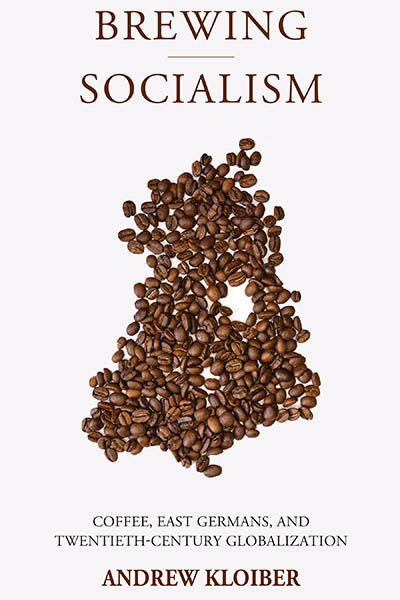
Taking an uncommonly focused lens against the deep and active role coffee had in connecting East Germans to a global market, Brewing Socialism uncovers the significance of East German efforts to democratize coffee and how that focus on material cultural informed the everyday life of the Social Unity Party’s conceptualization of a modern social utopia.
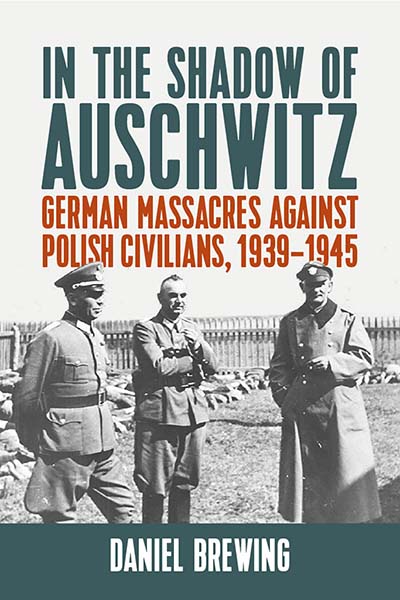
An in-depth analysis of German massacres in Poland over the whole period of German occupation during the Second World War, this innovative study recounts the widely forgotten ethnic Polish civilian victims. Using both German and Polish sources, In the Shadow of Auschwitz uncovers for the first time the depredations that were inflicted on Polish society under Nazi rule.
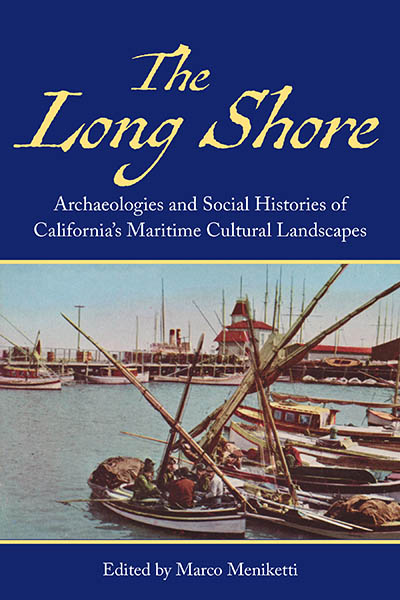
Authors investigate the multifaceted character of maritime landscapes and maritime oriented communities in California’s equally diverse cultural landscape; viewed through an archaeological lens, and emphasizing social behavior and community as material culture in order to reveal intersections and commonalities.
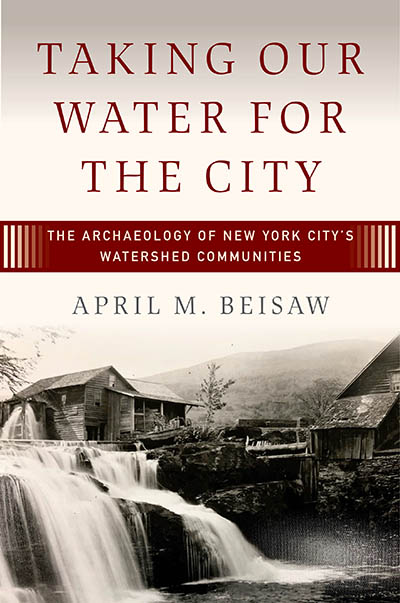
Tap water enables the development of cities in locations with insufficient natural resources to support such populations. This archaeological examination of the New York City watershed reveals the cultural costs of urban water systems. Urban water systems do more than reroute water from one place to another. At best, they redefine communities. At worst, they erase them.
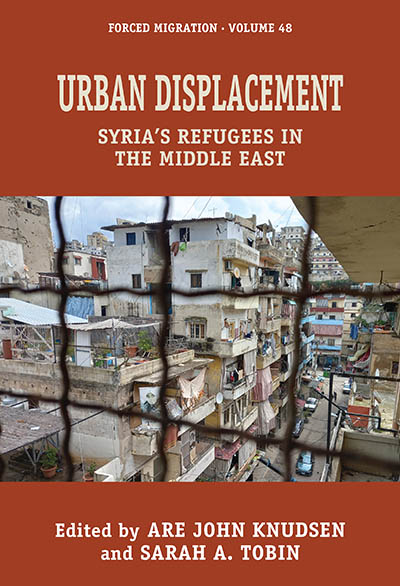
Syria’s massive displacement (2012–present) is one of the largest, most complex and intractable humanitarian emergencies today. Urban Displacement examines multiple dimensions of this crisis from political and socioeconomic predicaments to questions of social belonging, the complexity of the international, regional and national responses and how they affect urban spaces.
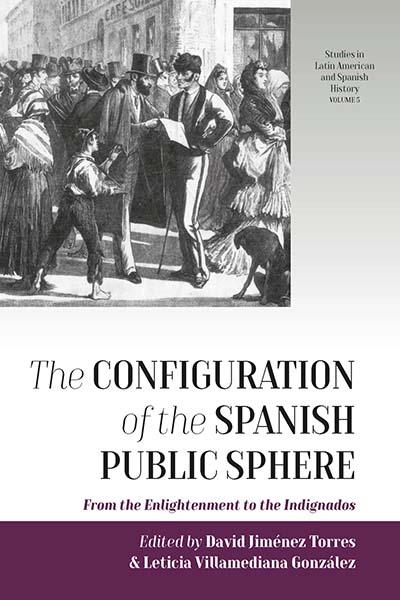
This volume brings together leading scholars in Spanish and Latin American studies to explore the concept of the Spanish “public sphere” and its relation to society and political power over time. It offers a long-term, panoramic view—spanning from the Enlightenment to current developments in the EU—on one of the most urgent issues for contemporary European societies.

Yiddish Transformed explores Jewish reading practices alongside the rise of Yiddish in Eastern Europe between 1860 and 1914 by delving into publishing policies of Yiddish books and newspapers, popular literary genres of the time, the development of Jewish public libraries, as well as reflections of reading experiences in life stories.
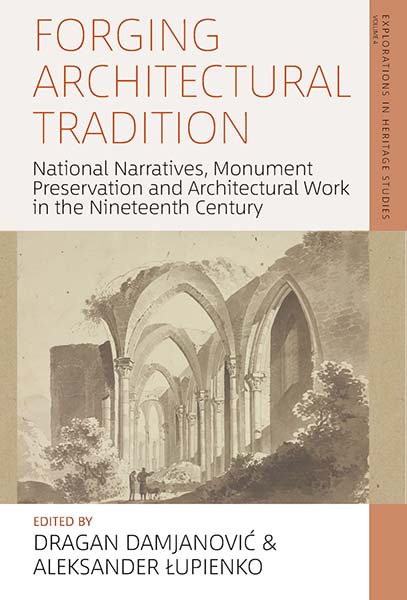
During the nineteenth century, a change developed in the way architectural objects from the distant past were viewed by contemporaries. Architectural heritage often was (and still is) an important element of nation building. Authors address the process of building national myths around certain architectural objects. National narratives are questioned, as is the position architectural heritage played in the nineteenth and the early twentieth centuries.
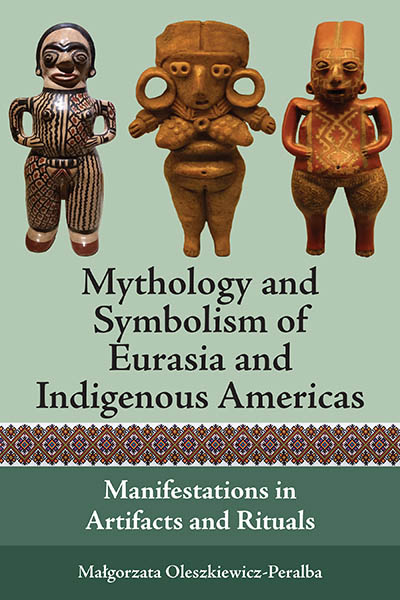
There is a continuity of a cohesive system of symbols and patterns from the Paleolithic and the Neolithic that survives in present-day imagery. The understanding of commonalities underlying these seemingly distant cultures demonstrates that, despite appearances, there is more that unites us than that divides us.
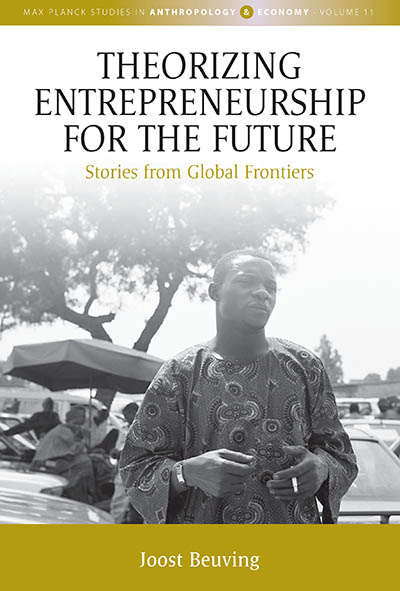
Presenting a new interpretation of entrepreneurial behaviour, this book focuses on how entrepreneurs consider the future. The study theorizes entrepreneurial behaviour as ‘future-work’: the social practices, language and rituals through which entrepreneurs neutralize or smoothen future unknowns.
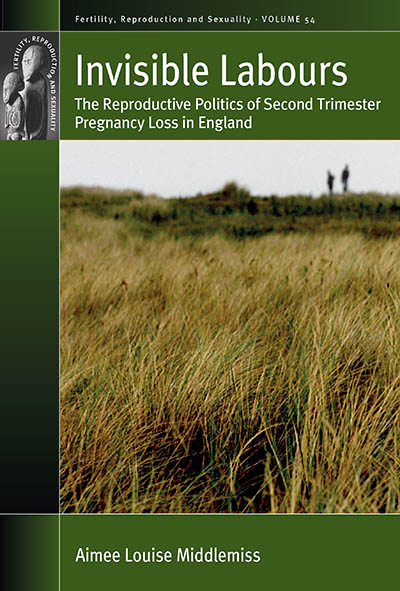
Invisible Labours traces women’s experiences of miscarriage and termination for foetal anomaly in the second trimester before legal viability and shows how such events are positioned as less ‘real’ or significant when the foetal being does not, or will not, survive. It describes the reproductive politics of this specific category of pregnancy loss in England.

Based on extensive narrative interviews, this collection of essays reflects on the participants’ individual experiences and represents the voices of staff and caregivers working in long-term residential care communities, in-home and community-based programs, as well as regional aging service providers and advocates.
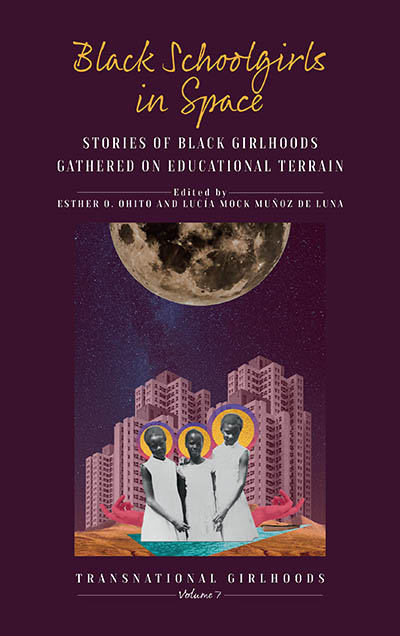
Black Schoolgirls in Space is a theoretical turn that advances the growing interest in transnational girlhoods by focusing on the Black girls as actors and agents in the construction of not only girlhood but also the educational worlds in which girlhoods are contained.
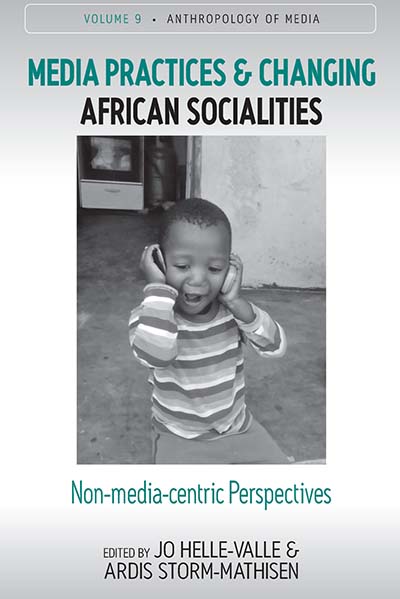
Afterword by Thomas Hylland Eriksen
Deriving from innovative new work by six researchers, this book questions what the new media's role is in contemporary Africa. The focus is on media-related practices, which require engagement with different perspectives and concerns while situating these in a wider analytical context.
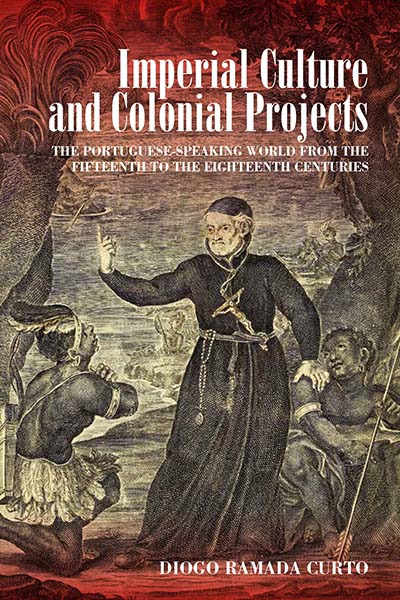
In a series of illuminating case studies, Curto follows the history and perception of major Portuguese colonial initiatives while integrating the complex perspectives of participating agents to show how the empire’s life and culture were richly inflected by the operations of imperial expansion.
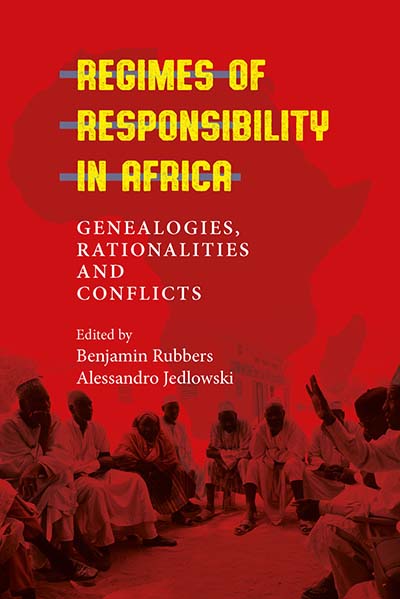
How have African moral worlds changed since the 1990s? Regimes of Responsibility in Africa analyses the transformations that discourses and practices of responsibility have undergone in Africa. The work enters into a dialogue with the emerging corpus of studies in the field of ethics, providing to it a set of analytical perspectives that can help further enlarge its theoretical and geographical scope.

Focusing on the cases of Great Britain and France, this innovative study explores the discourses and narratives that arose in the wake of the incident among both state and nonstate actors. It gives a thorough account of the strategies that shaped Western European responses to the disaster as well as nuclear policy up to the present day.