




Browse
by Paperbacks
By Area: Middle East & Israel

The second edition of this remarkable book updates the immense advances in policy and soft international law with regards to the rights of mobile indigenous peoples in conservation.
Subjects: Refugee and Migration Studies Environmental Studies (General) Development Studies Sustainable Development Goals
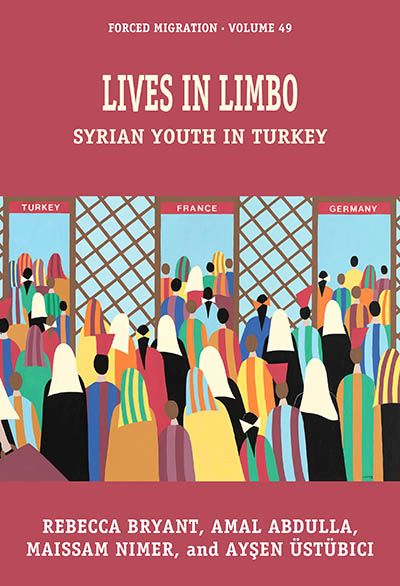
Lives in Limbo gives voice to the dreams of Syrian youth who have little hope of returning to their devastated homeland and explains why this generation’s future will shape how the region will develop. It explores how refugee youth create futures from the liminality of exile.
Subjects: Refugee and Migration Studies Political and Economic Anthropology
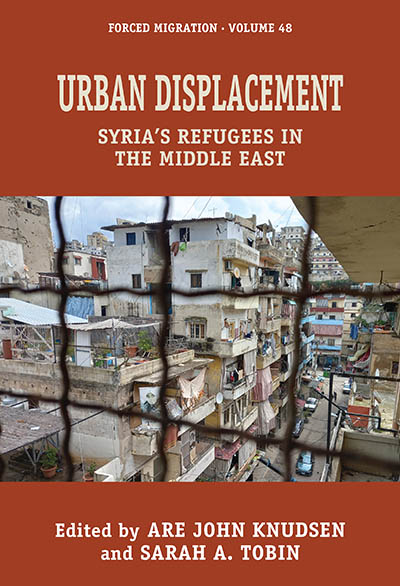
Syria’s massive displacement (2012–present) is one of the largest, most complex and intractable humanitarian emergencies today. Urban Displacement examines multiple dimensions of this crisis from political and socioeconomic predicaments to questions of social belonging, the complexity of the international, regional and national responses and how they affect urban spaces.
Subjects: Refugee and Migration Studies Political and Economic Anthropology
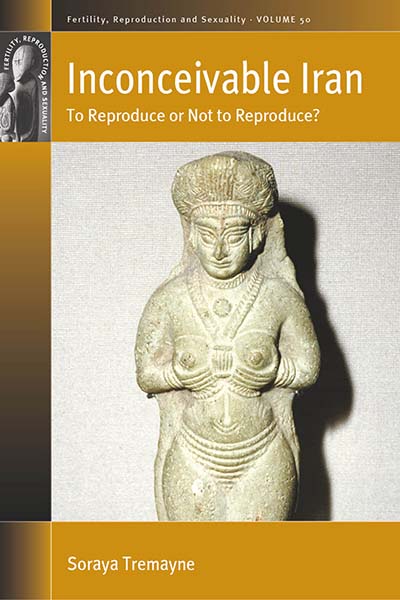
This book offers a much-needed analysis of shifting reproductive policies and practices in the Islamic Republic of Iran, a society that is usually represented as either “revolutionary” or “oppressive.” Instead, Tremayne reflects on more than four decades of research to argue that changing reproductive behaviors on the part of ordinary Iranians must always be viewed against the backdrop of core cultural values and traditions.
Subject: Medical Anthropology
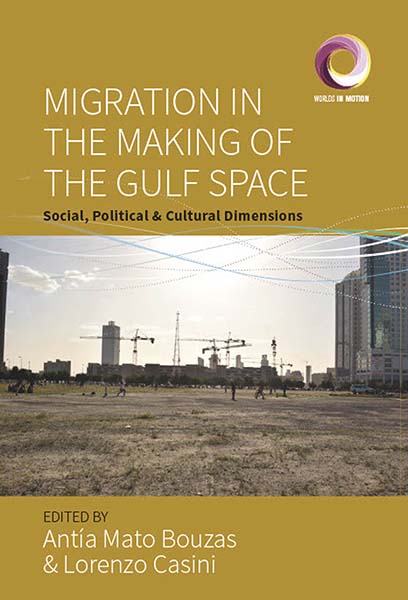
Combining visual and literary analyses and original ethnographic studies as part of a more general political reflection, Migration in the Making of Gulf Space examines the role of migrants and non-citizens in the processes of settling in the Arab States of the Gulf region.
Subjects: Refugee and Migration Studies Anthropology (General) Sociology
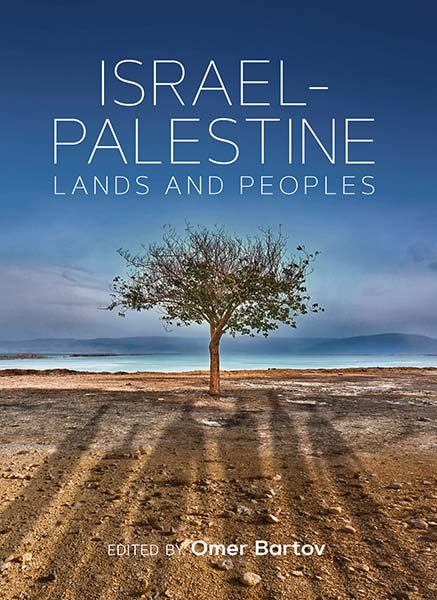
The conflict between Israel and Palestine has raised a plethora of unanswered questions, generated seemingly unreconcilable narratives, and profoundly transformed the land’s physical and political geography. This volume seeks to provide a deeper understanding of the links between the region that is now known as Israel and Palestine and its peoples—both those that live there as well as those who relate to it as a mental, mythical, or religious landscape.
Subjects: Peace and Conflict Studies History: 18th/19th Century History: 20th Century to Present
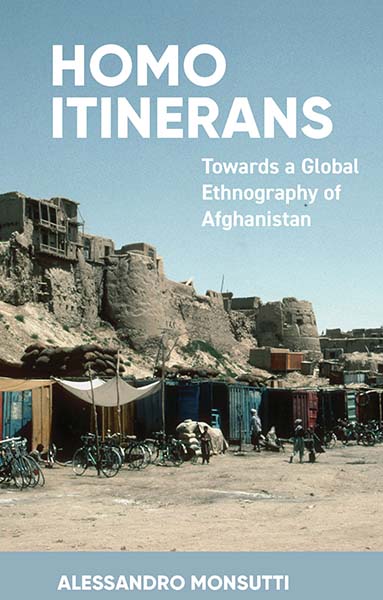
This book builds on more than two decades of ethnographic itinerancy in some twenty countries, bringing the readers from Afghanistan, Pakistan and Iran to Europe, North America and Australia. It describes the everyday life and transnational circulations of Afghan refugees and expatriates.
Subjects: Anthropology (General) Refugee and Migration Studies
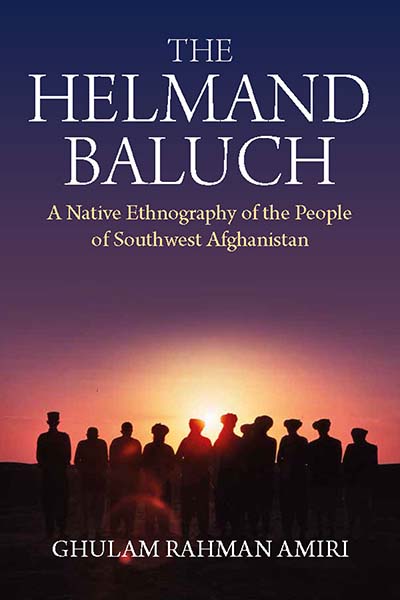
The late Ghulam Rahman Amiri accompanied a joint Aghan-US archaeological mission to the Sistan region of southwest Afghanistan in the 1970s and published the ethnography in Farsi in Kabul in 1987. This volume, the first English translation, describes the cultural, political, and economic systems of the Baluch people living in the lower Helmand River Valley of Afghanistan.
Subjects: Anthropology (General) Archaeology
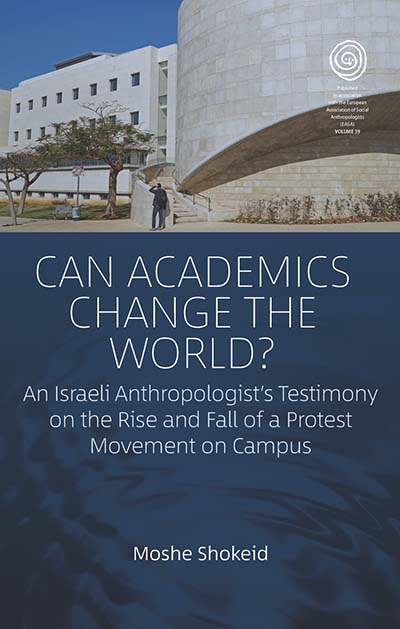
Moshe Shokeid narrates his experiences as a member of AD KAN (NO MORE), a protest movement of Israeli academics at Tel Aviv University, who fought against the Israeli occupation of Palestinian territories, founded during the first Palestinian intifada/uprising (1987-1993).
Subjects: Political and Economic Anthropology Jewish Studies Anthropology (General) Educational Studies
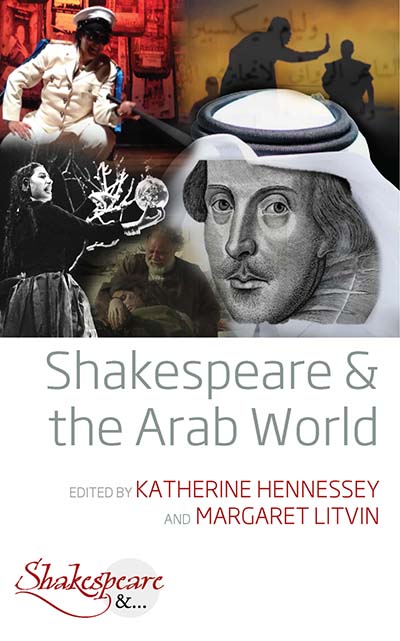
Offering a variety of perspectives on the history and role of Arab Shakespeare translation, production, adaptation and criticism, this volume explores both international and locally focused Arab/ic appropriations of Shakespeare’s plays and sonnets.
Subjects: Cultural Studies (General) Literary Studies
The story of one remarkable woman, Leyla, a mother, who has struggled against pain and shame to live a life that makes her proud and which also inspires others. Using her story, In Pursuit of Belonging enhances our understanding of key issues in the anthropology of ethics and migration.
Subjects: Anthropology (General) Refugee and Migration Studies Sociology
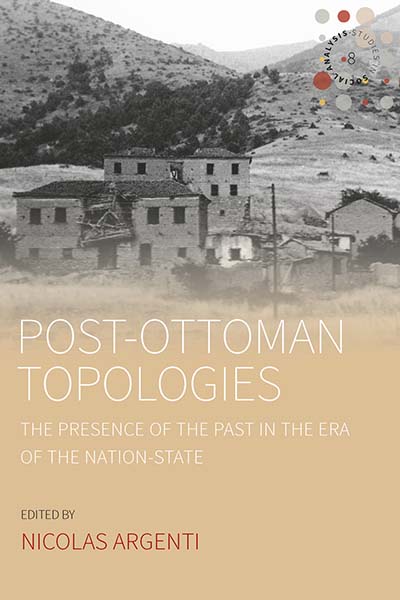
With contributions from several of the Balkan countries that once were united under the aegis of the Ottoman Empire, this latest volume proposes new theoretical approaches to the experience and transmission of the past through time.
Subjects: Sociology Anthropology (General) Memory Studies
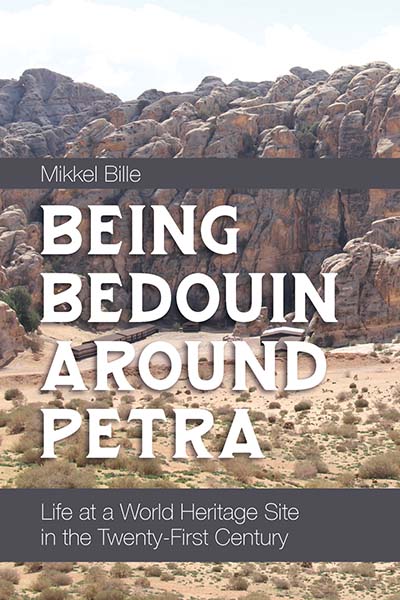
Being Bedouin Around Petra explores the relationships between the UNESCO protection conferred on Petra, Jordan, and the traditions and lives of the semi-nomadic Bedouin who inhabit the surrounding area. It explores what it means to be Bedouin when tourism, heritage protection, national discourse, and other forces lay competing claims to the past.
Subjects: Anthropology (General) Anthropology of Religion Heritage Studies
For more than a hundred years, persistent conflict in the Middle East has led global superpowers like Germany to become involved. Germany and the Middle East encounters in detail how the nation came to accept its historical responsibility towards newer states in the Middle East, and how major developments of the twentieth century shaped its approach to the region.
Subject: History: 20th Century to Present
Focusing on the spatial dynamics of Muharram processions in the Iranian city, this book offers an alternative approach to understanding the process of urban transformation, and puts forward a spatial genealogy of Muharram rituals that provides a platform for developing a fresh spatial approach to ritual studies.
Subjects: Anthropology (General) Urban Studies Anthropology of Religion
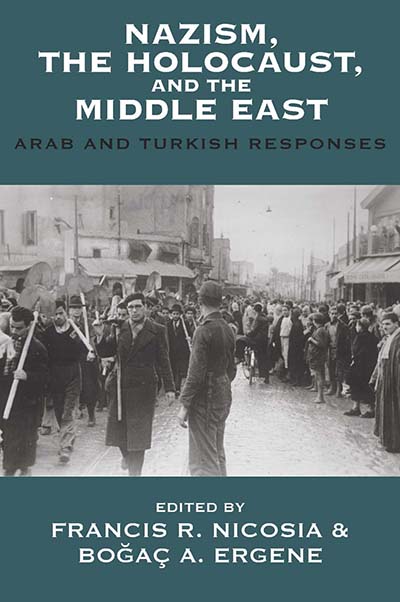
How was Nazism received in the Middle East? By focusing on Arab and Turkish reactions to Nazi anti-Semitism and persecution of the Jews in Germany and Europe, this collection offers a fresh perspective on institutional and popular attitudes towards Jewish communities throughout the Middle East during the 1930s and 1940s.
Subjects: Genocide History Jewish Studies
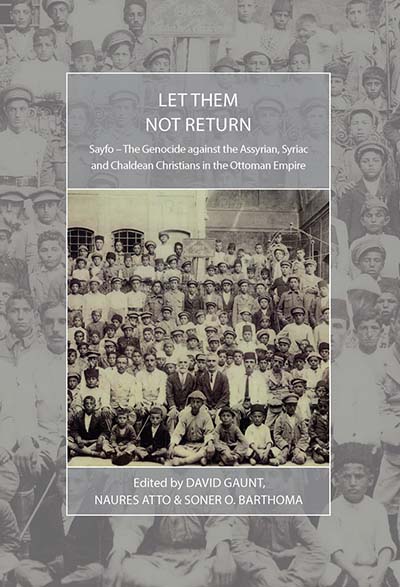
While the Armenian genocide is today widely recognized, the broader context of Ottoman violence against minority groups—including the indigenous, largely Christian Assyrians—are less well known. This volume is the first scholarly edited collection focused on the Assyrian genocide, or “sayfo.”
Subjects: Genocide History History: 20th Century to Present
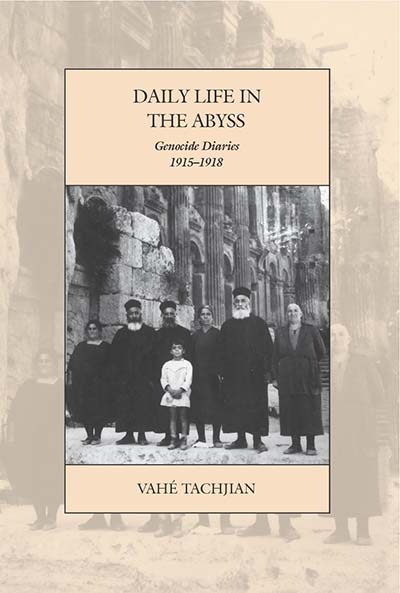
Although research into the Armenian Genocide has grown tremendously in recent years, surprisingly little is known about the actual experiences of the genocide’s victims. Daily Life in the Abyss illuminates this aspect through the intertwined stories of two Armenian families who endured forced relocation and deprivation in and around modern-day Syria.
Subjects: Genocide History History: World War I
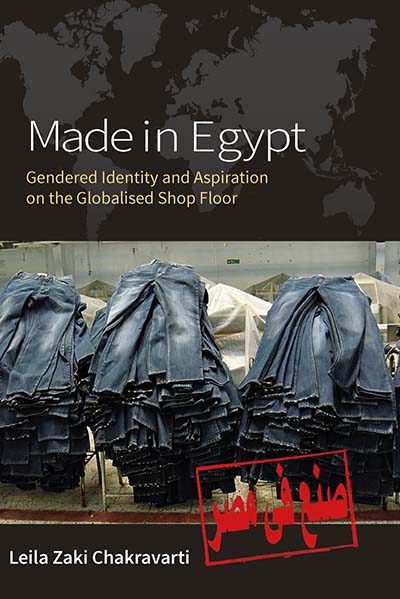
This ground-breaking ethnography of an export-orientated factory in Egypt examines the dynamic relationships between the emergent Mubarak-bizniz (business) elites, who are caught in an intensely competitive globalized supply chain, and the local realities of the daily lives of their young, educated, and mixed-gender labor force.
Subjects: Gender Studies and Sexuality Anthropology (General) Sociology
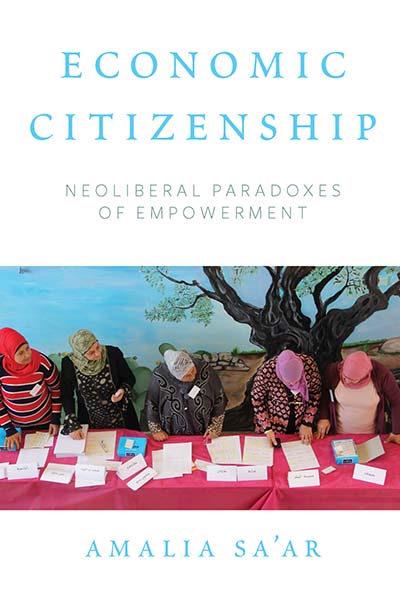
Economic Citizenship explores shifting responsibility for the welfare of minority and poor citizens, which has shifted from states to local communities through neoliberalization. This has produced odd discursive blends of justice, solidarity, and wellbeing, and placed the languages of feminist and minority rights side by side with the language of apolitical consumerism.
Subjects: Anthropology (General) Gender Studies and Sexuality Sociology Political and Economic Anthropology
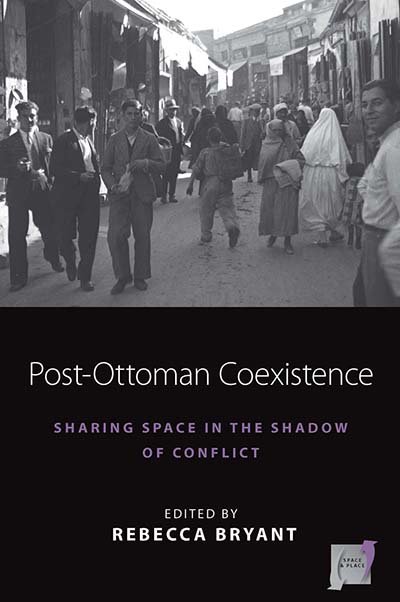
Scholars often refer to the “peaceful coexistence” of various religious and ethnic groups under the Ottoman Empire before ethnonationalist conflicts dissolved that shared space and created legacies of division. Post-Ottoman Coexistence interrogates this “coexistence” and asks what practices enabled centuries of cooperation and sharing, as well as how and when such sharing was disrupted
Subjects: Peace and Conflict Studies Sociology
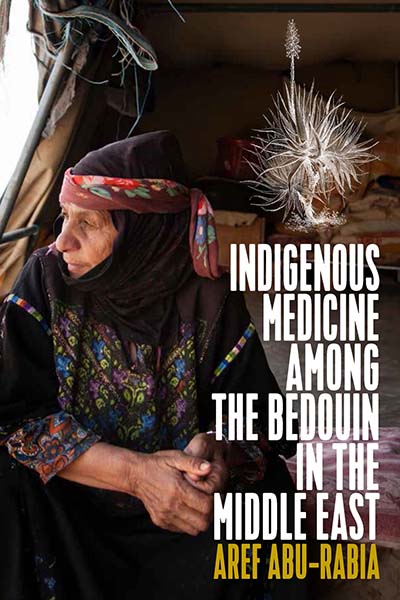
Modern medicine has penetrated Bedouin tribes, but when serious illnesses strike, even educated people turn to traditional medicine for a remedy. Based on interviews with healers, clients, and other active participants in treatments, this book will contribute to renewed thinking about a synthesis between traditional and modern medicine — to their reciprocal enrichment.
Subject: Medical Anthropology
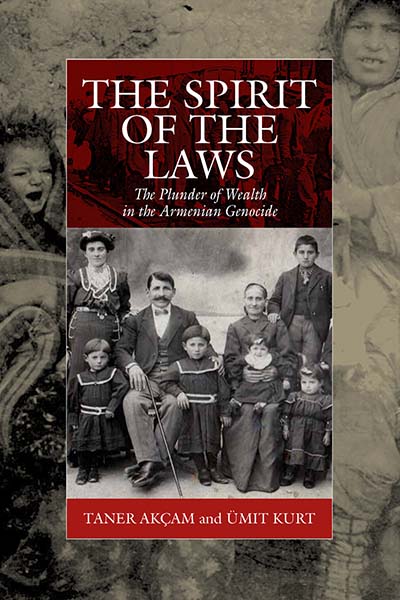
Pertinent to contemporary demands for reparations from Turkey is the relationship between law and property in connection with the Armenian Genocide. This book examines the confiscation of Armenian properties during the genocide and subsequent attempts to retain seized Armenian wealth.
Subjects: Genocide History History: World War I
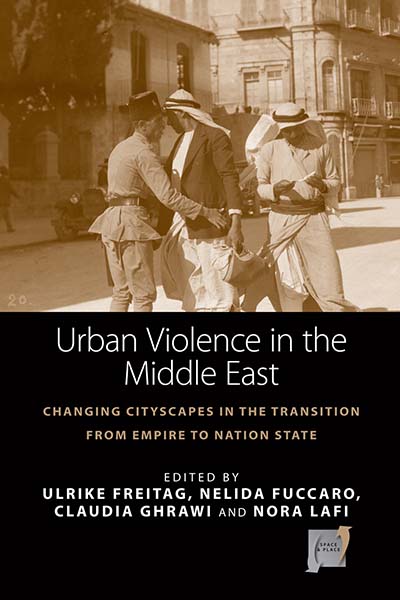
This volume explores the phenomenon of urban violence in order to unveil general developments and historical specificities in a variety of Middle Eastern contexts. The case studies counter notions of a violent Middle East to foster a new understanding of violent behavior in this region.
Subjects: Urban Studies History (General)
By providing a long-term historical perspective on Turkey's economy and its relationship to Islamism, this volume explores how Islamism as a political ideology has been utilized by the conservative bourgeoisie in Turkey, and elsewhere, to establish hegemony over labor.
Subject: Political and Economic Anthropology
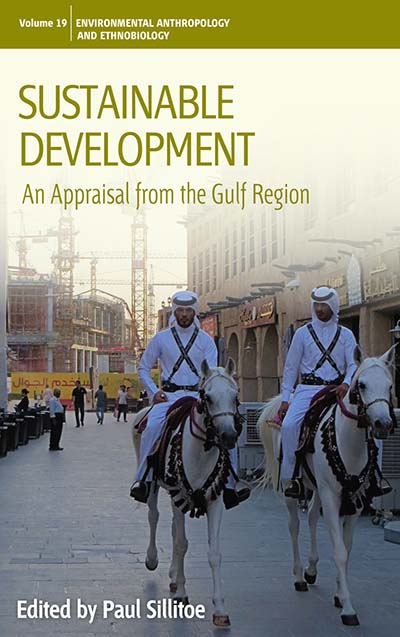
With growing evidence of unsustainable use of the world’s resources, such as hydrocarbon reserves, and related environmental pollution, as in alarming climate change predictions, sustainable development is arguably the prominent issue of the 21st century. Bringing together university faculty and government personnel from the Gulf, Europe, and North America this volume gives a wide ranging introduction focusing on the arid Gulf region and beyond, where the challenges of sustainable development are starkly evident.
Subjects: Environmental Studies (General) Development Studies Sustainable Development Goals
“This is an excellent book. The combination of theory and context works well…The prose is sharp and the author has set up the problem in a logical way that is easy to follow. It also benefits from an interdisciplinary approach. Her grasp of detail is superior to many theorists…It reads very fluently, the author is clearly a gifted prose writer. The thread of argument runs through the book in a compelling way…The conclusion is full of intriguing ties to other case studies and the author summarizes her argument well.” · Cathie Carmichael, University of East Anglia
Subjects: Genocide History History: 20th Century to Present
Subject: Anthropology (General)
Subjects: Peace and Conflict Studies Anthropology (General)
Subjects: Anthropology (General) Political and Economic Anthropology
Subjects: Refugee and Migration Studies Anthropology (General)
Subjects: Anthropology (General) Political and Economic Anthropology
Subject: Film and Television Studies
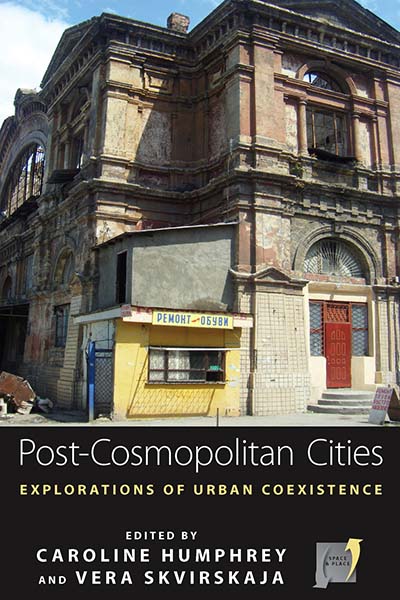
Subjects: Urban Studies Anthropology (General) Refugee and Migration Studies
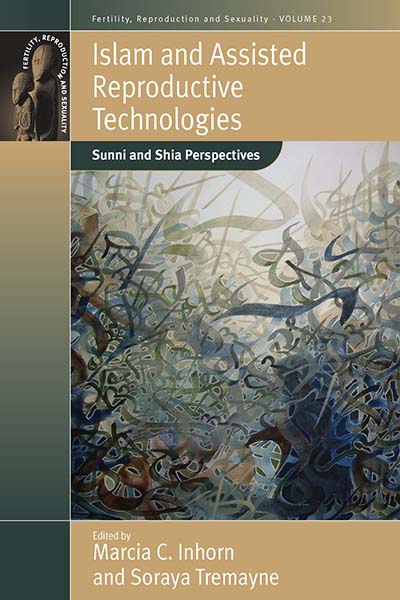
Subject: Medical Anthropology

Subjects: Sociology Jewish Studies
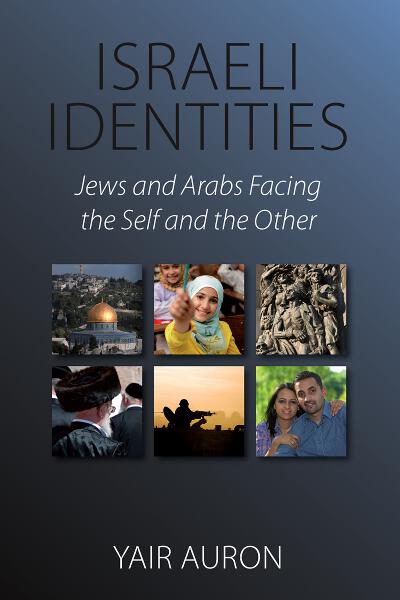
Subjects: Jewish Studies Sociology
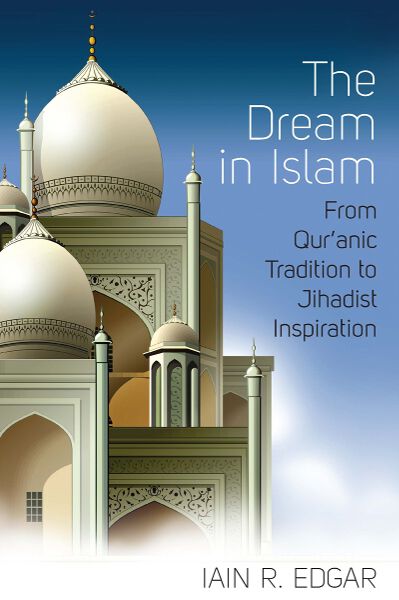
Subjects: Anthropology (General) Anthropology of Religion
Subjects: Anthropology (General) Urban Studies
Subjects: Refugee and Migration Studies Anthropology (General)
Subjects: Refugee and Migration Studies Peace and Conflict Studies
Subjects: History (General) History: 20th Century to Present
Subject: Theory and Methodology
Drawing on the expertise of anthropologists, historians and geographers, these volumes provide a significant account of a society profoundly shaped by identity politics and contribute to a better understanding of the nature of conflict and war, and forms of alliance and peacemaking, thus providing a comprehensive portrait of this troubled region.
Subjects: Peace and Conflict Studies Anthropology (General)
Forms of group identity play a prominent role in everyday lives and politics in northeast Africa. Case studies from Sudan, Ethiopia, Uganda, and Kenya illustrate the way that identities are formed and change over time, and how local, national, and international politics are interwoven. Specific attention is paid to the impact of modern weaponry, new technologies, religious conversion, food and land shortages, international borders, civil war, and displacement on group identities.
Subjects: Peace and Conflict Studies Anthropology (General)
Subjects: Medical Anthropology Anthropology of Religion Gender Studies and Sexuality
Subjects: Political and Economic Anthropology Anthropology (General)
Subjects: Medical Anthropology Peace and Conflict Studies Gender Studies and Sexuality
Subjects: Environmental Studies (General) Development Studies Anthropology (General)
Subjects: Peace and Conflict Studies Theory and Methodology
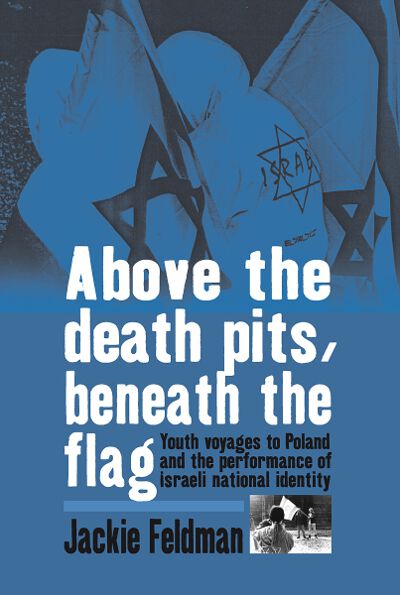
Subjects: Anthropology (General) Jewish Studies Memory Studies Travel and Tourism
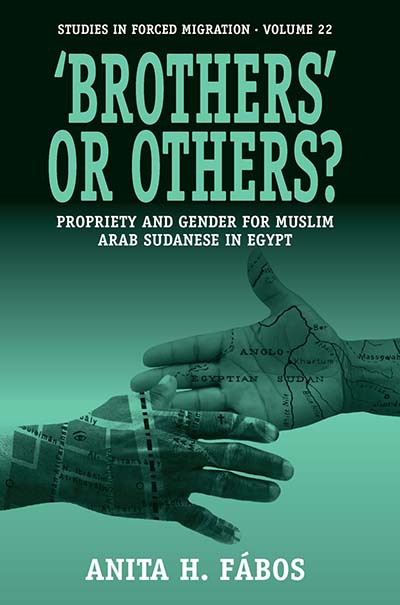
Subjects: Refugee and Migration Studies Gender Studies and Sexuality Anthropology (General)
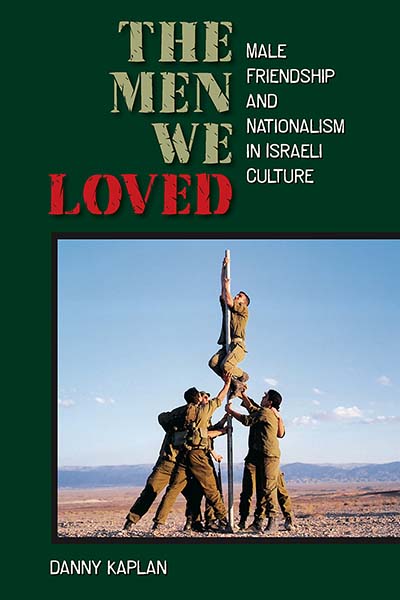
Subjects: Gender Studies and Sexuality Peace and Conflict Studies Anthropology (General)
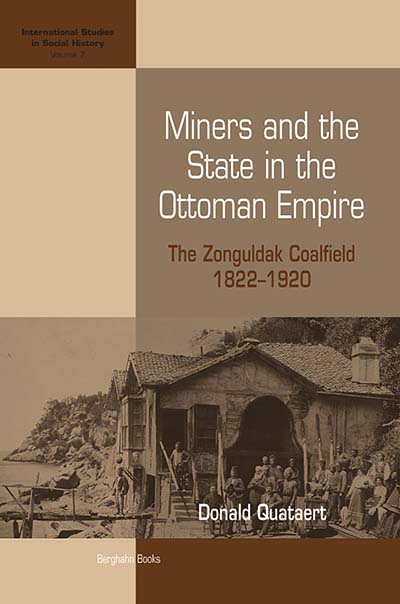
Subjects: History (General) History: 18th/19th Century History: 20th Century to Present Sociology
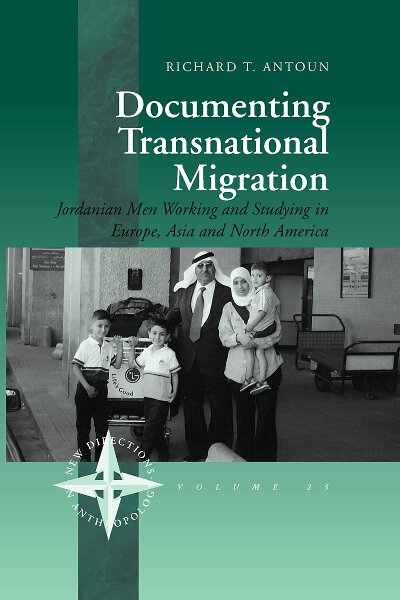
Subjects: Refugee and Migration Studies Anthropology (General)
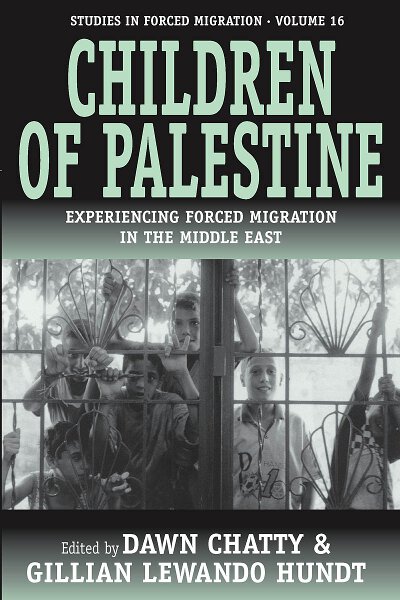
Subjects: Refugee and Migration Studies Peace and Conflict Studies
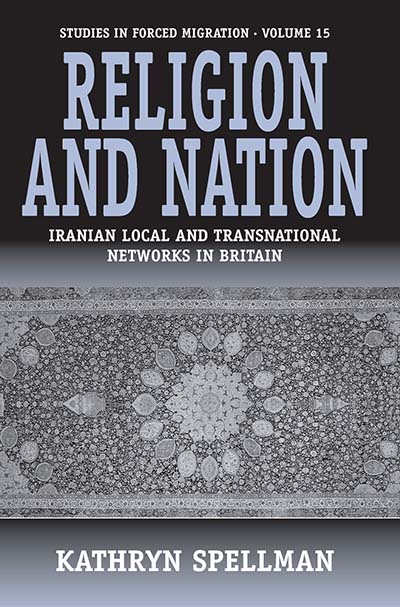
Subjects: Refugee and Migration Studies Anthropology of Religion Anthropology (General)
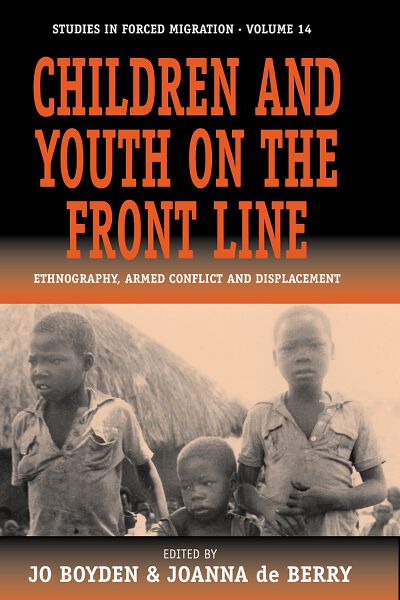
Subjects: Refugee and Migration Studies Peace and Conflict Studies
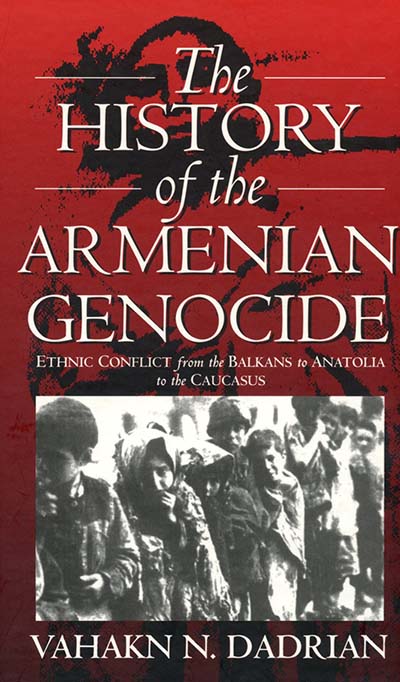
Subject: Genocide History
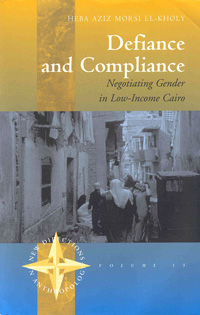
Subjects: Gender Studies and Sexuality Anthropology (General)
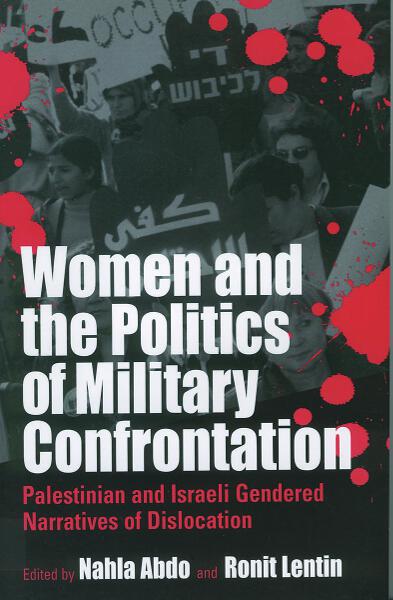
Subjects: Peace and Conflict Studies Gender Studies and Sexuality Anthropology (General)
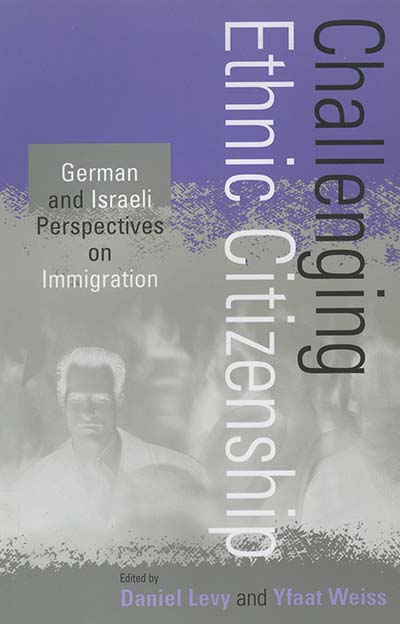
Subjects: Refugee and Migration Studies
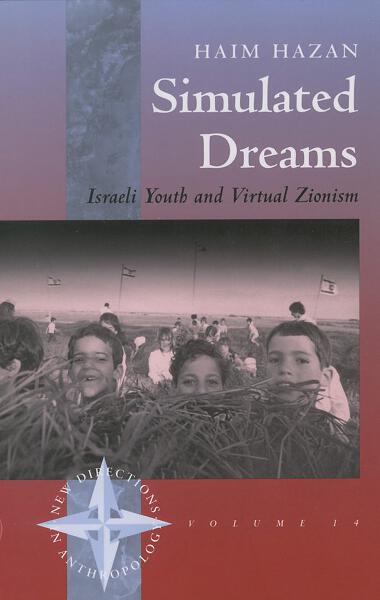
Subject: Anthropology (General)
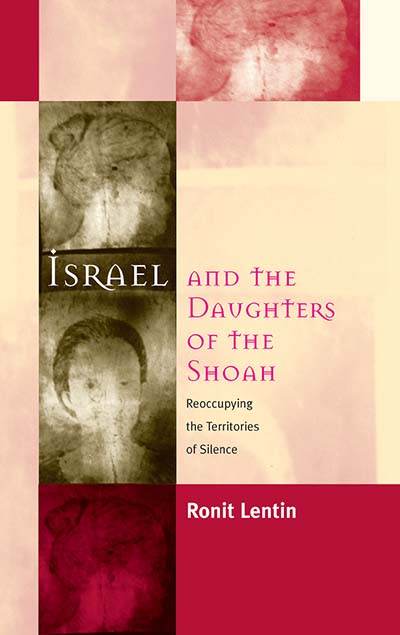
Subjects: Genocide History Gender Studies and Sexuality Jewish Studies
Subjects: Peace and Conflict Studies Anthropology (General) Gender Studies and Sexuality
Subject: Jewish Studies
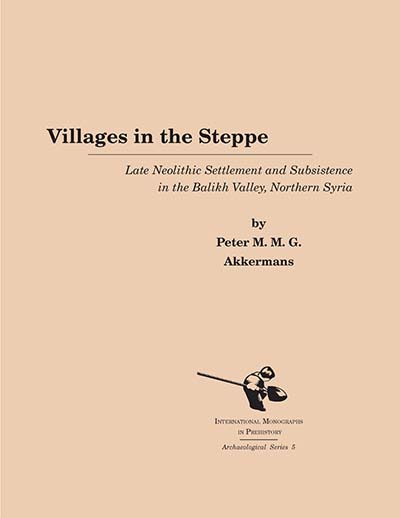
In this book, Akkermans provides a systematic overview of the Halaf culture in the Syrian portion of the valley of the Balikh River, a tributary of the Euphrates.