




Browse
by Paperbacks
By Area: Southern Europe
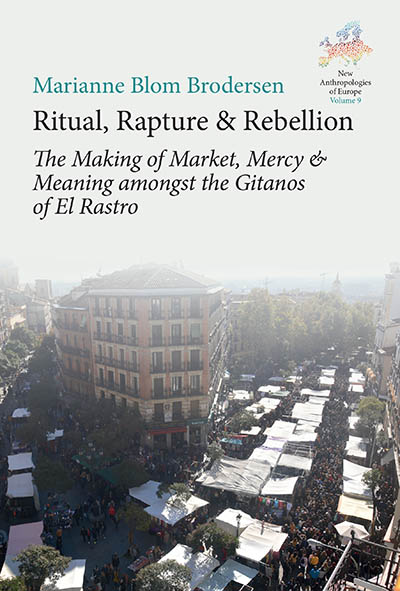
This book is an anthropological account of a group of middle and upper-class Gitanos and their ways of creating a ‘society within society’ based upon distinct cultural, moral and ideological values, notions and practices.
Subjects: Political and Economic Anthropology Sociology
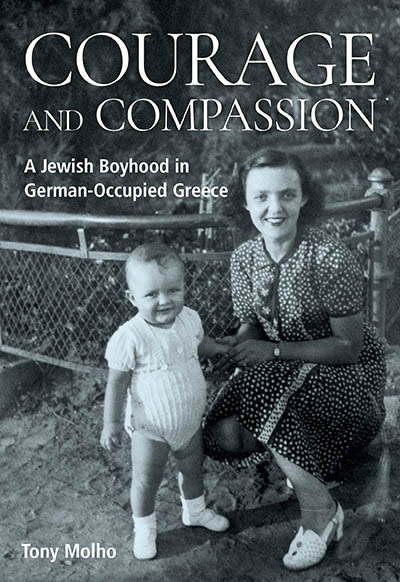
Tony Molho tells a dramatic story of survival under the most adverse conditions during the Holocaust. A historian himself now telling his own story, Molho writes an autobiographical text that speaks of a Jewish childhood in Greece during World War II and the Axis Occupation.
Subjects: Jewish Studies History: World War II Genocide History
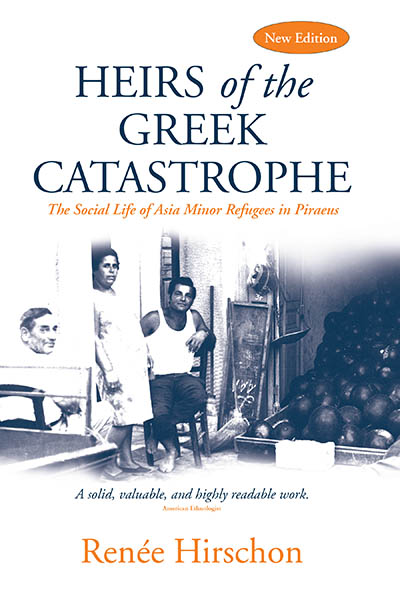
Since its first publication in 1989, this classic study has remained in demand. The third edition of Heirs of the Greek Catastrophe includes updated material with a new Preface, Epilogue, and map of the study area.
Subjects: Anthropology (General) Refugee and Migration Studies History: 20th Century to Present
Contributing to the history of anthropology, this book looks at the Porto School of Anthropology and analyses the life and work of its main mentor – Mendes Correia (1888-1960). Focused on Portugal, the analysis is also comparative with other international contexts.
Subjects: Anthropology (General) Colonial History Political and Economic Anthropology
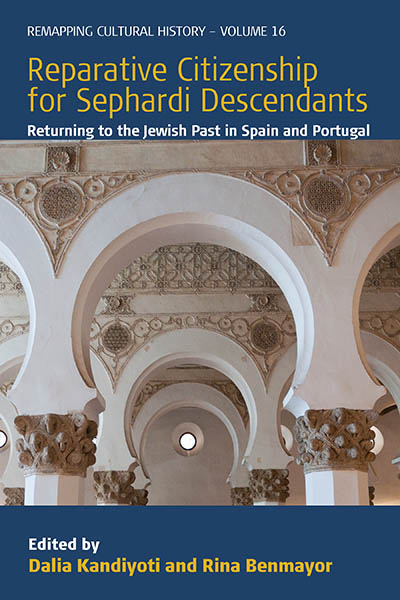
In 2015, both Portugal and Spain passed laws enabling descendants of Sephardi Jews to obtain citizenship, an historic offer of reconciliation. Drawing from scholarly and first-person essays, Reparative Citizenship for Sephardi Descendants analyzes the memory and afterlives of those who were wronged, and how reconciliatory rights impact the lives of those affected.
Subjects: History (General) Cultural Studies (General) History: 20th Century to Present
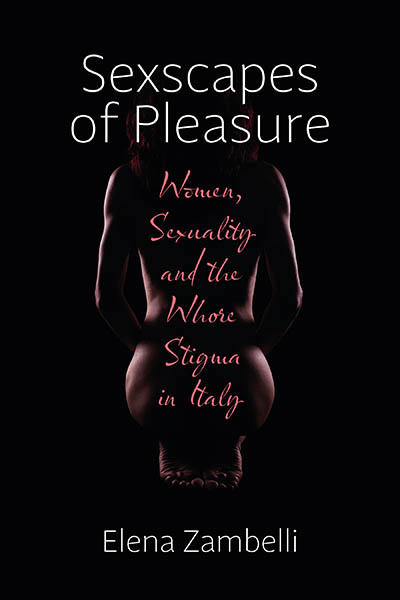
Drawing from ethnographic research, this book brings together the narratives of Italian and migrant women pole dancing for leisure, women pole and lap dancing for work, as well as women selling sex. By tracing commonalities in women’s processes of subjectivation and othering across the non/sex working women divide, the book foregrounds the intersecting structures of oppression under which women negotiate selfhood.
Subjects: Sociology Gender Studies and Sexuality Anthropology (General)
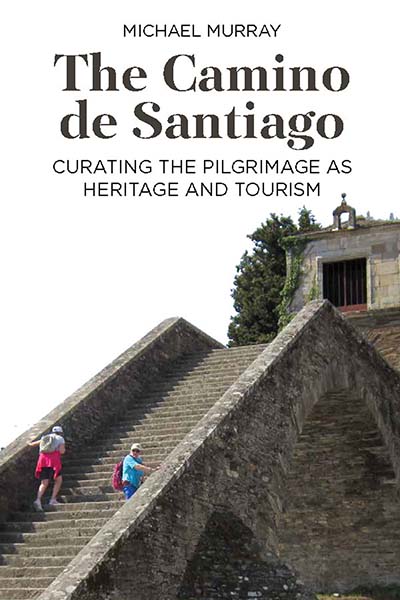
Pilgrimage, as a global activity linked to the sacred, speaks to the special significance of persons, places and events. This book relates these sentiments to the curatorship of the Camino de Santiago that comprises a lattice of European pilgrimage itineraries converging at Santiago de Compostela in northwest Spain.
Subjects: Heritage Studies Anthropology of Religion Anthropology (General)
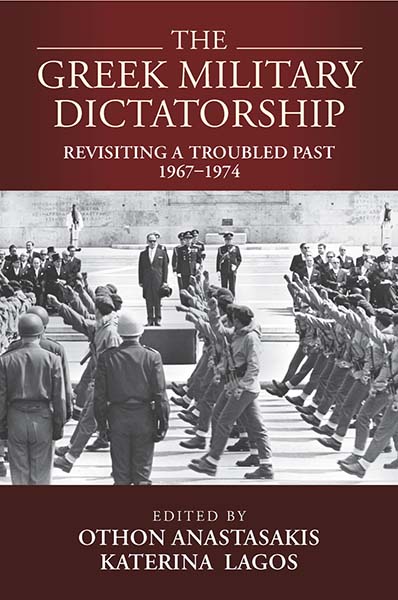
From 1967 to 1974, the military junta ruling Greece attempted a dramatic reshaping of the nation, implementing ideas and policies that, for better or for worse, left an indelible mark on both domestic affairs and international relations. Bringing together leading scholars from a range of disciplines, The Greek Military Dictatorship provides a fresh and nuanced reassessment of this era.
Subject: History: 20th Century to Present
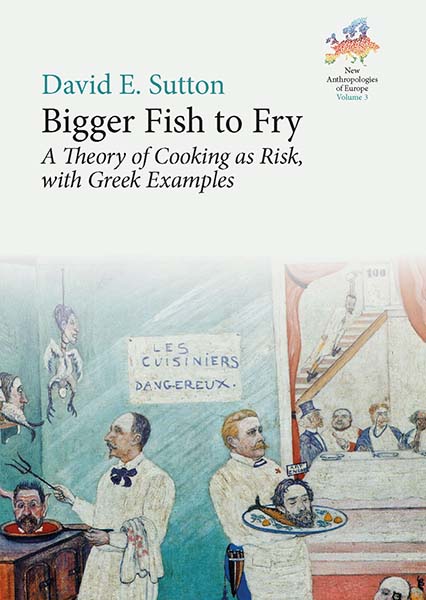
What defines cooking as cooking, and why does cooking matter to the understanding of society, cultural change and everyday life? This book explores these questions by proposing a new theory of the meaning of cooking as a willingness to put oneself and one’s meals at risk on a daily basis, with examples from the author's fieldwork in Greece.
Subjects: Food & Nutrition Anthropology (General) Cultural Studies (General)
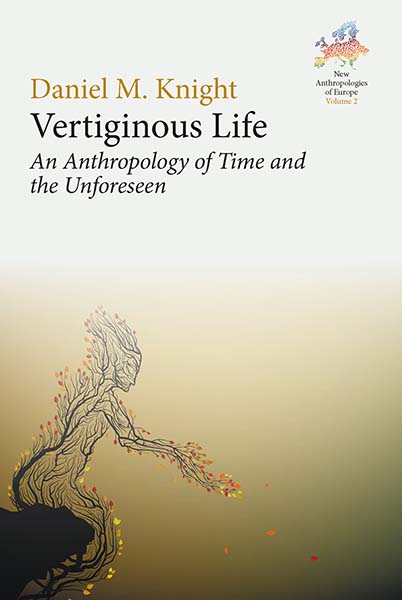
Through individual stories from crisis Greece, this book explores the everyday effects of vertigo: nausea, dizziness, breathlessness, the sense of falling, and unknowingness of Self. Being lost in time, caught in the spin-cycle of crisis, people reflect on belonging to modern Europe, neoliberal promises of accumulation, defeated futures, and the existential dilemmas of life held captive.
Subjects: Anthropology (General) Sociology
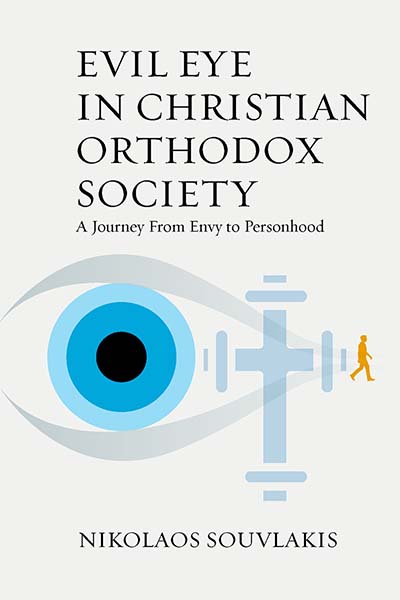
Evil eye is a phenomenon observed globally and has to do with the misfortune and calamities that we can cause to someone else out of jealousy of their possessions. The book engages with evil eye beliefs in Corfu and investigates the Christian Orthodox influences on the phenomenon and how it affects individuals’ reactions to it.
Subjects: Anthropology of Religion Anthropology (General)
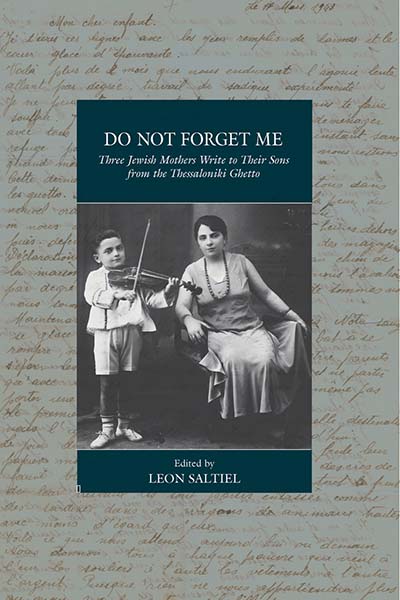
Following the Axis invasion of Greece, the Nazis began persecuting the country’s Jews as they had across occupied Europe, beginning with small indignities and culminating in mass imprisonment and deportations. Among the many Jews confined to the Thessaloniki ghetto during this period were Sarina Saltiel, Mathilde Barouh, and Neama Cazes—three women bound for Auschwitz who spent the weeks before their deportation writing to their sons.
Subjects: Jewish Studies History: World War II Genocide History
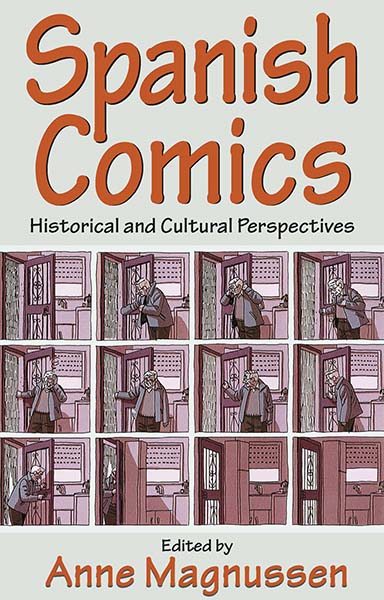
Spanish Comics offers an overview on contemporary scholarship on Spanish comics, focusing on a wide range of comics dating from early comics history in 1875-1939; the Francoist dictatorship, 1939-1975; the Political Transition, 1970-1985; and Democratic Spain from the early 1980s, and themes of memory, gender, regional identities, and history.
Subjects: Cultural Studies (General) Media Studies
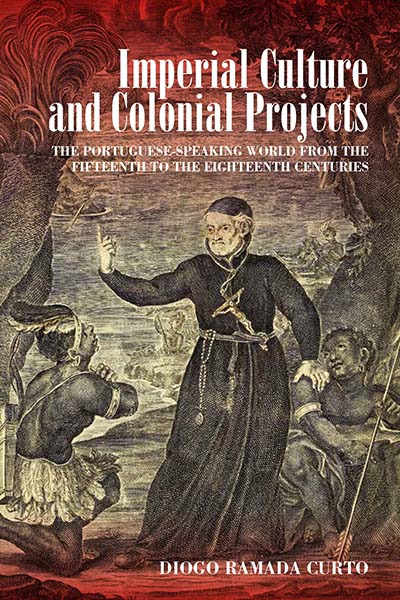
In a series of illuminating case studies, Curto follows the history and perception of major Portuguese colonial initiatives while integrating the complex perspectives of participating agents to show how the empire’s life and culture were richly inflected by the operations of imperial expansion.
Subjects: History: Medieval/Early Modern Colonial History
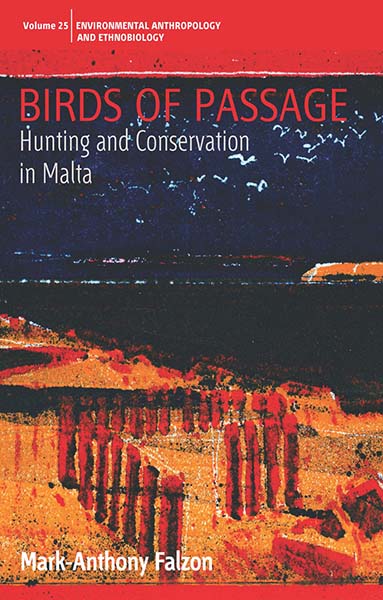
Drawing on years of ethnographic fieldwork in Malta, this book traces the complex interactions between hunters, birds and the landscapes they inhabit, as well as the dynamics and politics of bird conservation. Birds of Passage looks at the practice and meaning of hunting in a specific context, and raises broader questions about human-wildlife interactions and the uncertain outcomes of conservation.
Subjects: Anthropology (General) Environmental Studies (General) Sustainable Development Goals
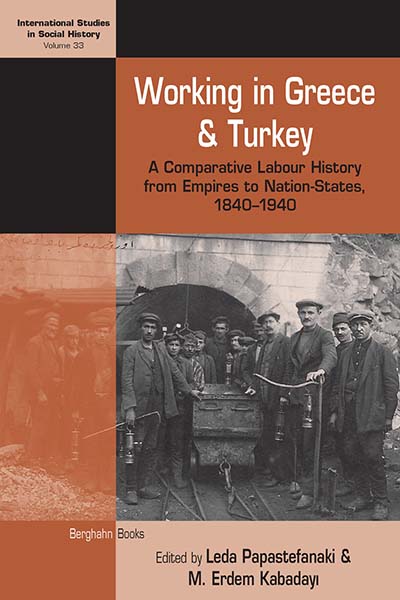
The studies in Working in Greece and Turkey provide an overdue exploration of labour history on both sides of the Aegean, before as well as after the fall of the Ottoman Empire. Deploying the approaches of global labour history as a framework, this volume presents transnational, transcontinental, and diachronic comparisons that illuminate the shared history of Greece and Turkey.
Subjects: History: 18th/19th Century History: 20th Century to Present Sociology
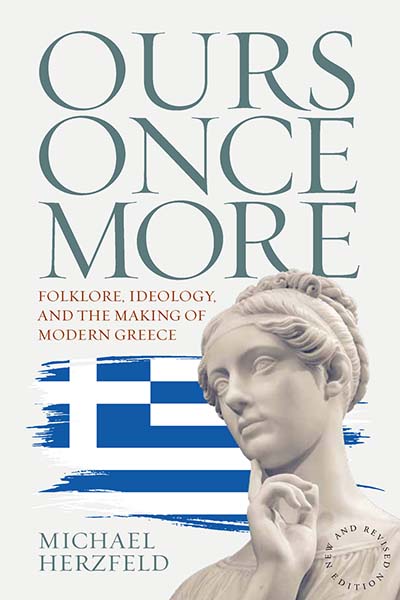
When this work – one that contributes to both the history and anthropology fields – first appeared in 1982, it was hailed as a landmark study of the role of folklore in nation-building. In this expanded edition, a new introduction by the author and a foreword by Sharon Macdonald document its importance for current debates about Greece’s often contested place in the complex politics of the European Union.
Subjects: Anthropology (General) History (General)
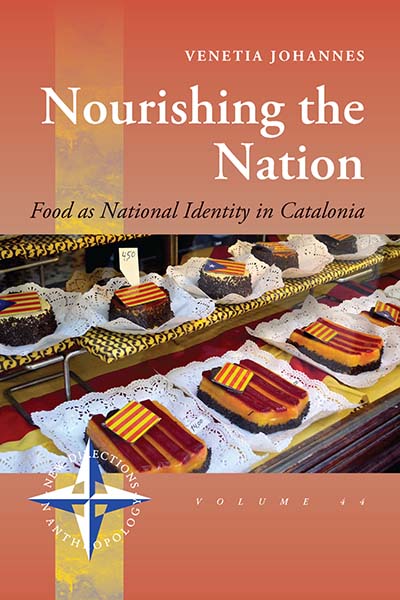
Provides an ethnographic account of the everyday experience of national identity in Catalonia, using an essential, everyday object of consumption: food. As a crucial element of Catalan cultural life, a focus on food provides unique insight into the lived realities of Catalan nationalism, and how Catalans experience and express their national identity today.
Subjects: Food & Nutrition Anthropology (General)
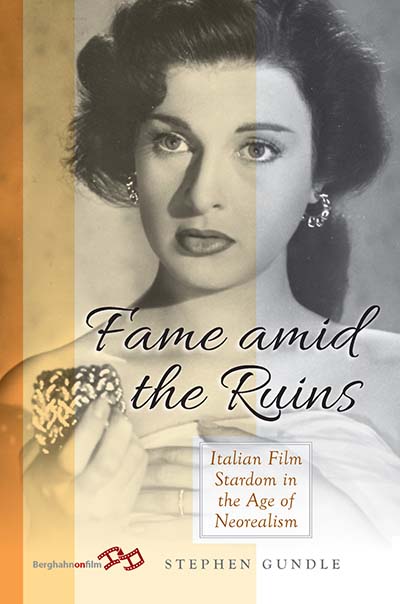
Italian cinema gave rise to some of the best-known films of the postwar years, and its stars were beloved by both the public and producers. This book explores the many conflicts over stars and stardom that arose during Italian cinema’s postwar rebirth, shedding new light on the close relationship forged between cinema and society.
Subjects: Film and Television Studies History: 20th Century to Present

This volume brings together leading scholars in Spanish and Latin American studies to explore the concept of the Spanish “public sphere” and its relation to society and political power over time. It offers a long-term, panoramic view—spanning from the Enlightenment to current developments in the EU—on one of the most urgent issues for contemporary European societies.
Subjects: History: 18th/19th Century History: 20th Century to Present Sociology
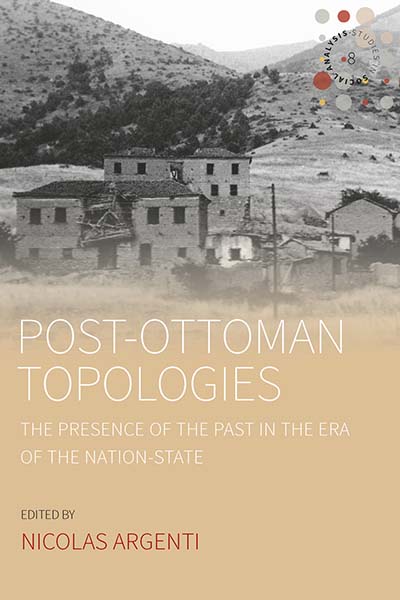
With contributions from several of the Balkan countries that once were united under the aegis of the Ottoman Empire, this latest volume proposes new theoretical approaches to the experience and transmission of the past through time.
Subjects: Sociology Anthropology (General) Memory Studies
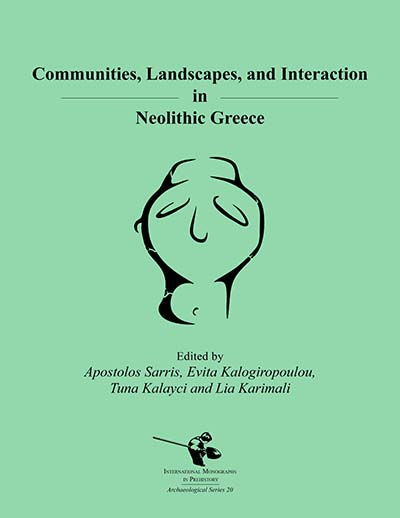
This volume provides a synthetic overview of recent developments in the study of Neolithic Greece, and reconsiders the dynamics of human-environment interactions while recording the growing diversity in layers of social organization. It fills an essential lacuna in contemporary literature and enhances our understanding of the Neolithic communities in the Greek Peninsula.
Subject: Archaeology
Since its sovereign debt crisis in 2009, Greece has been living under austerity. This volume explores the effects of austerity policies on politics, health care, education, media, and other areas, and examines the crisis as the context for changing attitudes in Greek society regarding immigration, crime, minorities, consumption and more.
Subjects: Anthropology (General) Sociology Political and Economic Anthropology
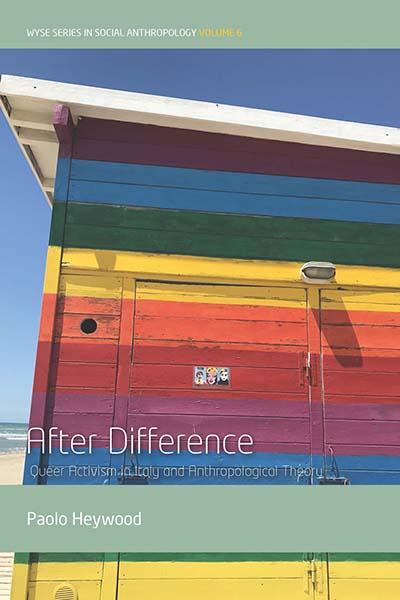
This book is a contribution to the anthropology of Italy and of Europe as an ethnography of queer activism in Bologna; and, at the same time, it is an intervention in a set of ongoing theoretical debates in anthropology surrounding the perennial problem of the relationship between ethnographic data and anthropological analysis. It combines discussions of identity and difference, ethics, the fieldwork setting, and anthropology’s turn to ontology.
Subjects: Theory and Methodology Anthropology (General) Gender Studies and Sexuality
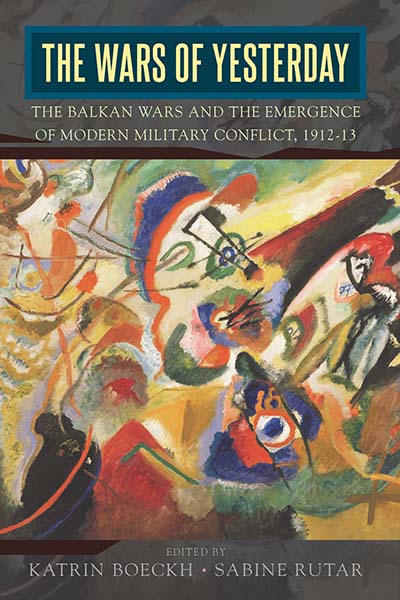
Together comprising one of the first modern conflicts of the twentieth century, the Balkan Wars (1912–13) served as precursors of the bloody wars to follow. This volume offers a fascinating exploration of the wars’ history, with a central focus on the experiences of both combatants and civilians.
Subject: History: 20th Century to Present
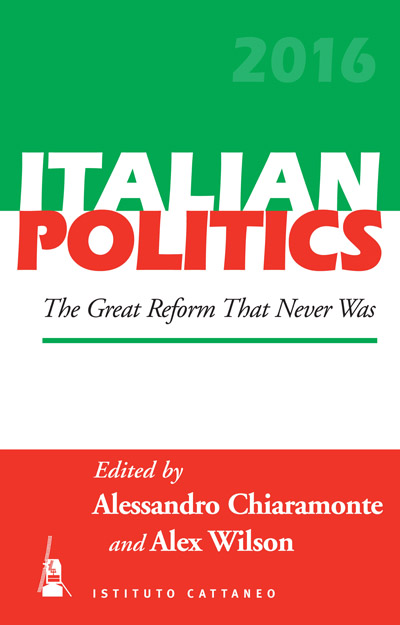
In Italy, 2016 was meant to be the year of the “great reform,” a constitutional revision that would have concluded the never-ending transition from “First” to “Second” Republic, a long process involving several transformations in the electoral system and party system since the 1990s. It did not turn out this way.
Subject: History: 20th Century to Present
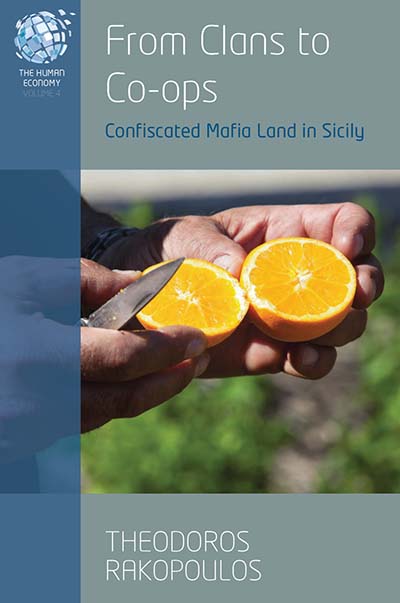
From Clans to Co-ops explores the social, political, and economic relations that enable the constitution of cooperatives through antimafia transformation of landholdings. The volume is the first monograph on Sicily’s rural antimafia movement, contributing to the anthropology and sociology of cooperatives, as well as to broader debates about small-scale democratic institutions, food movements and agrarian activism.
Subjects: Anthropology (General) Political and Economic Anthropology Food & Nutrition
Spanish film and television represent a remarkably influential and vibrant cultural industry, as well as a fertile site of innovation in the production of “transmedia” works that bridge narrative forms. Spanish Lessons provides an engaging exploration of the nation’s visual culture in an era of collapsing genre boundaries, accelerating technological change, and political-economic tumult.
Subjects: Film and Television Studies Media Studies
Why do people turn to personal connections to get things done? Challenging widespread views of favors as means of survival in transitioning contexts, this volume demonstrates that these contemporary globalized forms of flexible governance are not contradictory to one another, but often mutually constitutive.
Subjects: Anthropology (General) Peace and Conflict Studies History: 20th Century to Present
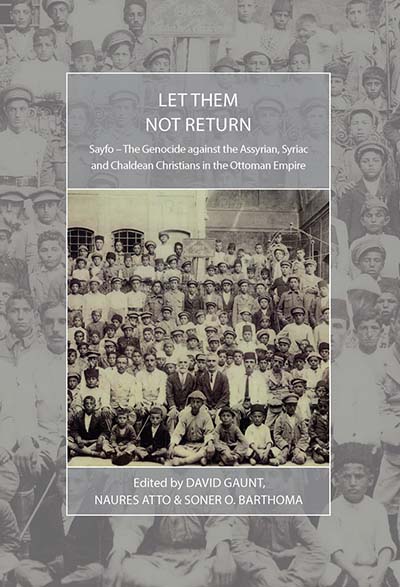
While the Armenian genocide is today widely recognized, the broader context of Ottoman violence against minority groups—including the indigenous, largely Christian Assyrians—are less well known. This volume is the first scholarly edited collection focused on the Assyrian genocide, or “sayfo.”
Subjects: Genocide History History: 20th Century to Present
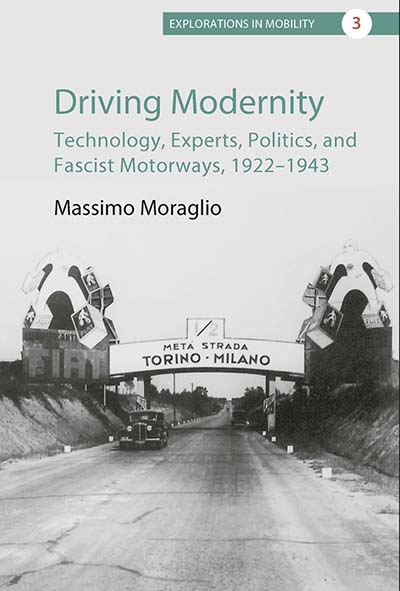
Driving Modernity recounts the history of the first Italian motorway, which—alongside railways and aviation—Italian authorities hoped would spread an ideology of technological nationalism. It explains how Italy ultimately failed to realize its mammoth infrastructural vision, addressing the political and social conditions that made a coherent plan of development impossible.
Subjects: History: 20th Century to Present Mobility Studies Transport Studies
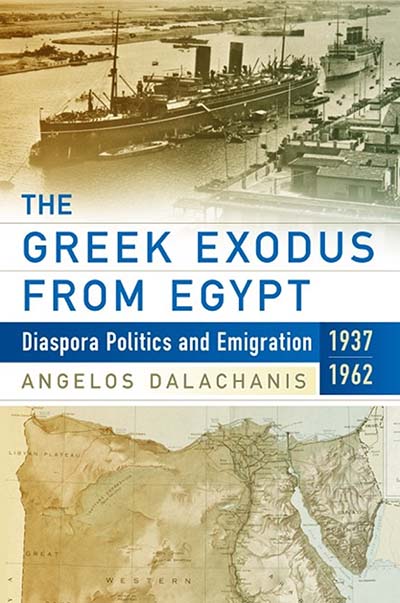
This painstakingly researched book explains how Egypt’s once-robust Greek population dwindled to virtually nothing, beginning with the abolition of foreigners’ privileges in 1937 and culminating in the nationalist revolution of 1952. It reconstructs the delicate sociopolitical circumstances that Greeks had to navigate during this period, tracing the complex causes of demographic decline.
Subjects: History: 20th Century to Present Refugee and Migration Studies
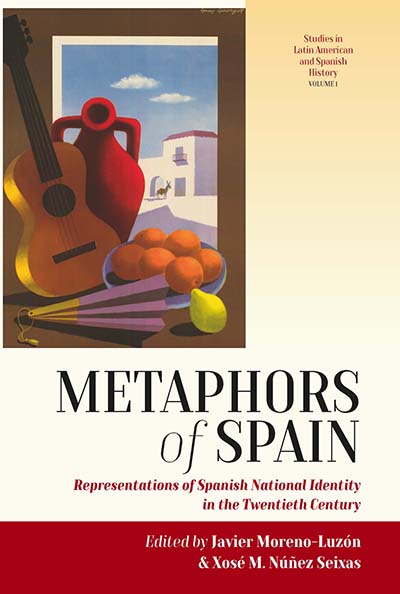
Despite the undeniably political character of the history of Spanish nationalism, a cultural approach can also provide essential insights into the subject. Metaphors of Spain brings together leading historians to examine Spanish nationalism through its diverse and complementary cultural artifacts, from “formal” representations such as the flag to music, bullfighting, and other more diffuse examples.
Subject: History: 20th Century to Present
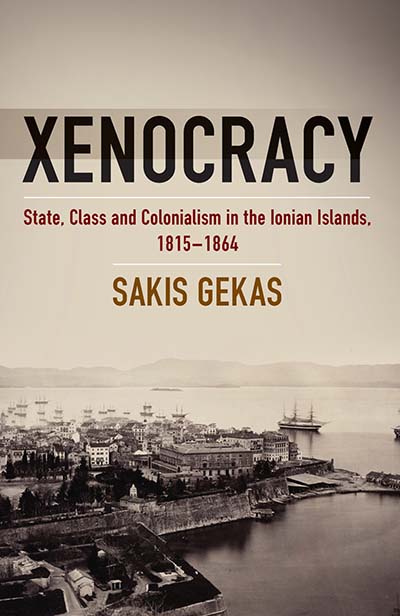
Xenocracy offers a much-needed account of the islands of the Ionian Sea during their half-century of oversight by Great Britain. It recounts how, despite Britain’s liberal reforms, the Ionian State’s economic deterioration anticipated the “neocolonial” condition with which the Greek nation struggles even today.
Subjects: History: 18th/19th Century Colonial History
In 2015, Matteo Renzi’s government continued to elicit contrasting reactions while dealing with both internal and external constraints. Although the success of the 2015 Universal Exposition in Milan helped to bolster the image of the country, Italy continued to play a marginal role in key international areas, such as migration, European austerity policies, and the fight against terrorism.
Subject: History: 20th Century to Present
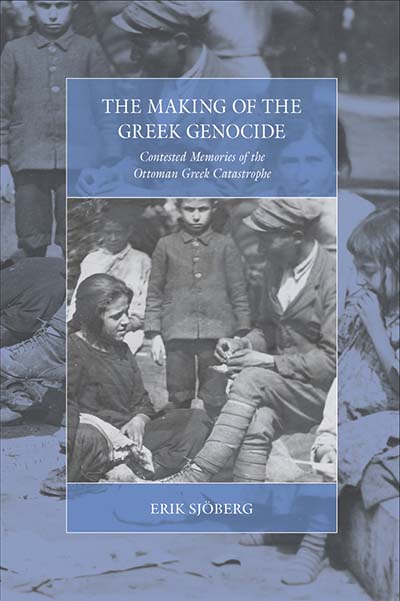
After World War I, over one million Ottoman Greeks were expelled from Turkey, resulting in hundreds of thousands of deaths. This study analyzes the fight for international recognition of the Greek genocide narrative, showing how its memory developed as a cultural trauma with both nationalist and cosmopolitan dimensions.
Subjects: Genocide History History: 20th Century to Present

A fascinating study of newspapers in 1920s Portugal, Narratives in Motion explores how the new “modernist reportage” embodied the spirit of its era while mediating some of its most spectacular episodes. In the process, it shows how that journalism epitomized a distinctively modern entanglement of narrative and event.
Subjects: Media Studies History: 20th Century to Present
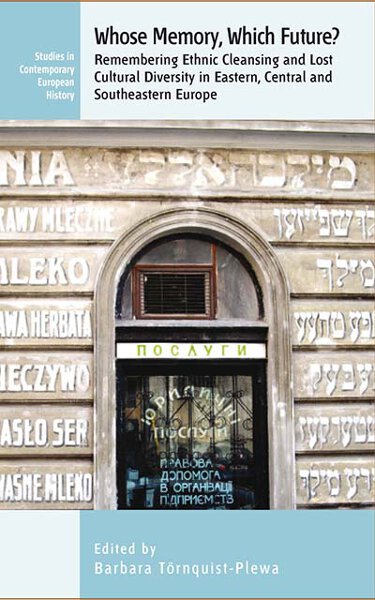
Scholars have devoted considerable energy to understanding ethnic cleansing in Europe, yet much less attention has been given to how these incidents persist in collective memory today. This volume brings together case studies exploring how modern inhabitants “remember” instances of ethnic cleansing, and how they understand the heritage of groups that vanished in their wake.
Subjects: History: 20th Century to Present Genocide History Memory Studies
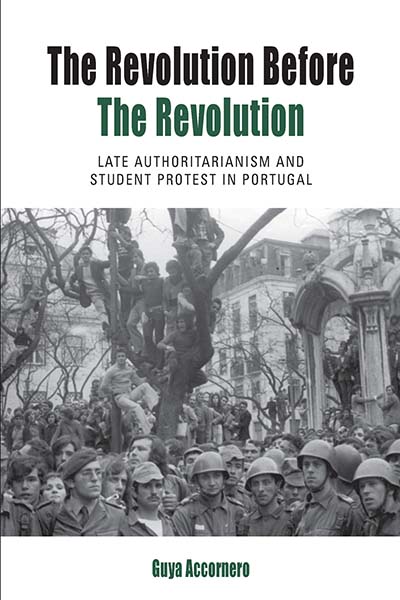
Portugal’s 1974 “Carnation Revolution” was in many ways the culmination of a much longer history of resistance originating in universities and other sectors of society. Combining careful research with insights from social movement theory, this book traces these convulsions in Portuguese society over the course of the “long 1960s.”
Subjects: History: 20th Century to Present Sociology
Subject: History: 20th Century to Present

Federico Fellini is often considered a disengaged filmmaker, more interested in self-referential dreams and grotesquerie than contemporary politics. This book challenges that myth.
Subject: Film and Television Studies
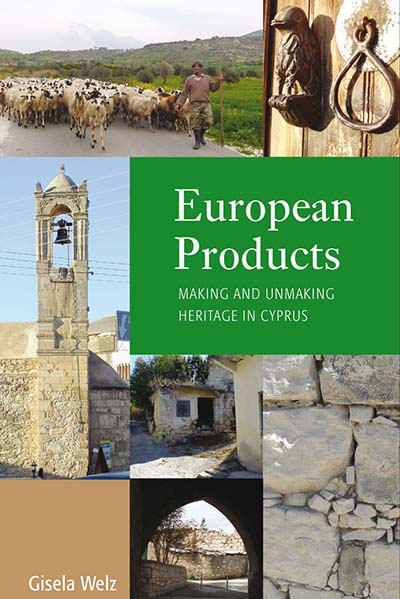
Since the Republic of Cyprus joined the European Union in 2004, heritage-making and Europeanization are becoming intertwined in Greek-Cypriot society. The author argues that heritage emerges as an increasingly standardized economic resource — a “European product” — and that heritage policy has become infused with transnational market regulations and neoliberal property regimes.
Subjects: Anthropology (General) Museum Studies Heritage Studies
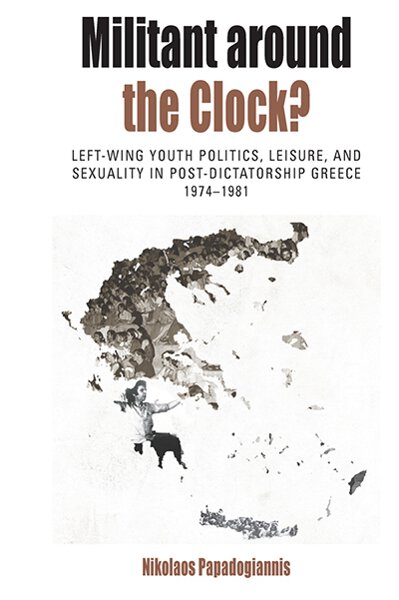
During the 1970s left-wing youth militancy in Greece intensified, especially after the collapse of the military dictatorship in 1974. This book is the first study of the impact of that political activism on the leisure pursuits and sexual behavior of Greek youth.
Subjects: History: 20th Century to Present Sociology
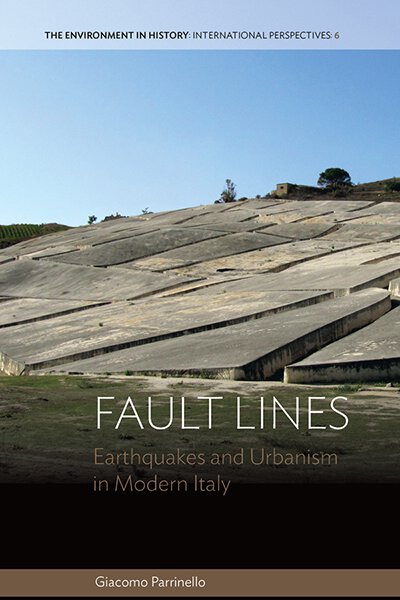
Although earthquakes can have disastrous effects on human lives and environments, they can also significantly influence urban development. This book follows the history of two Italian seismic disasters — the 1908 Messina earthquake and the 1968 earthquake in the Belice Valley, Sicily — exploring plans preceding the destruction and the urbanism that emerged from the ruins.
Subjects: Environmental Studies (General) History: 20th Century to Present
Subject: History: 20th Century to Present
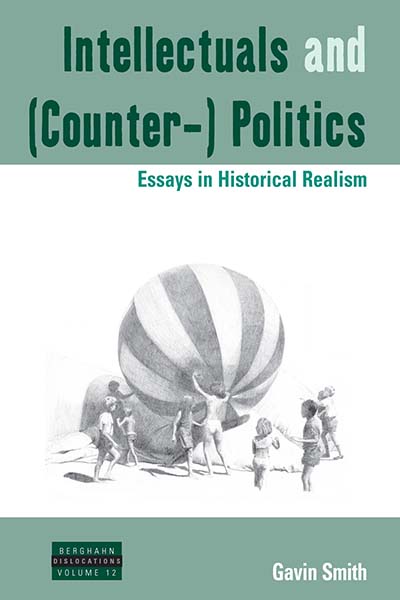
“A cutting edge discussion between anthropology and the disciplines of history and geography, all through the lens of the politics of intellectual work. A paradigm of sensitive ethnographic work fused with broadly social/political theory, this book will pull in a lot of people looking to find their way out of a certain rabbit hole of recent academia.” · Neil Smith, Graduate Center, City University of New York.
Gavin Smith suggests a research agenda designed to maximize the political leverage of ordinary people faced with ever more remote states and technologies that make capitalism increasingly rapacious. He tackles the political conundrums of our times and asks what roles intellectuals might play therein.
Subjects: Anthropology (General) Political and Economic Anthropology
Based on fieldwork in rural Dalmatia in the Croatian-Bosnian border region, this book provides a unique account of the politics of ambiguous Europeanness from the perspective of those living at Europe's margins. Narrating Victimhood examines the continuing contestations over truth, history & memory that have helped shape this region.
Subjects: Anthropology (General) Gender Studies and Sexuality
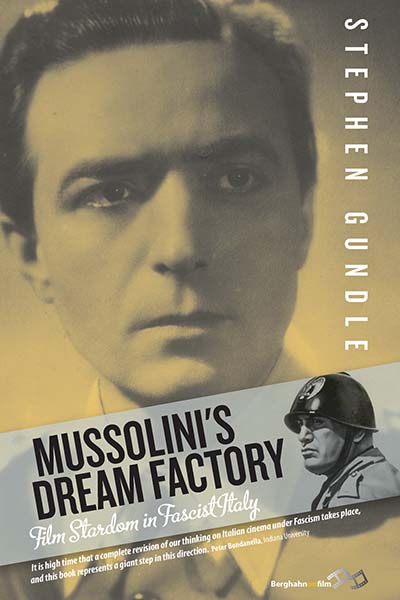
Subjects: Film and Television Studies Performance Studies
Subject: History: 20th Century to Present
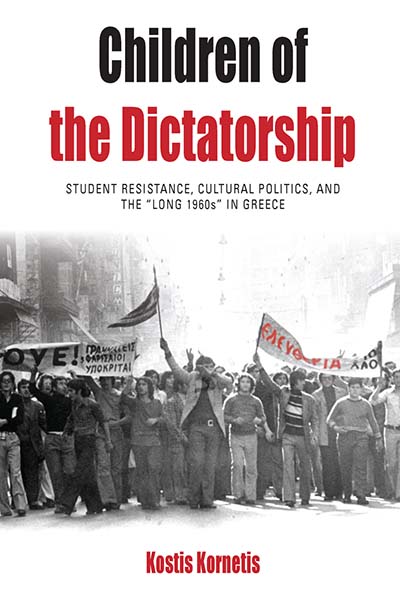
Subjects: History: 20th Century to Present Cultural Studies (General) Sociology

Subject: Film and Television Studies
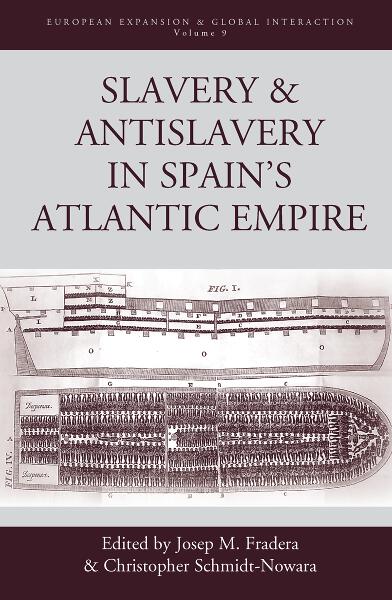
Subjects: Colonial History History (General)
Subject: History: 20th Century to Present
Subjects: Refugee and Migration Studies Anthropology (General)
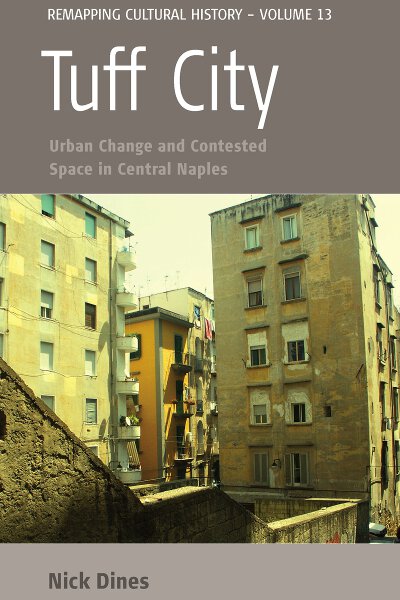
Subjects: Urban Studies Sociology Anthropology (General)
Subject: History: 20th Century to Present
Subject: History: 20th Century to Present
Subject: History: 20th Century to Present
Subject: History: 20th Century to Present
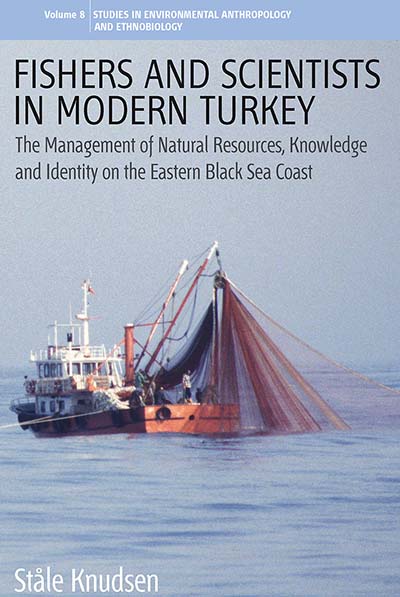
Subjects: Environmental Studies (General) Development Studies Anthropology (General)
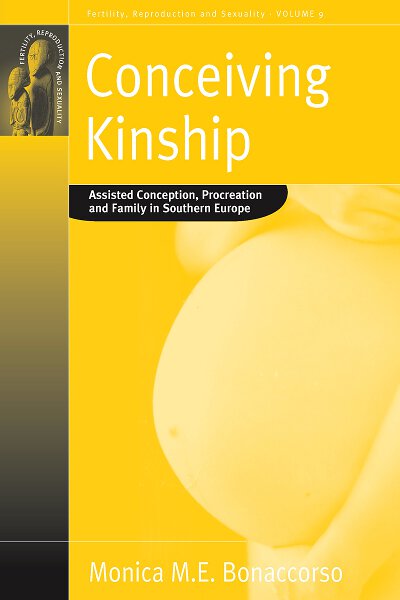
Subjects: Medical Anthropology Gender Studies and Sexuality
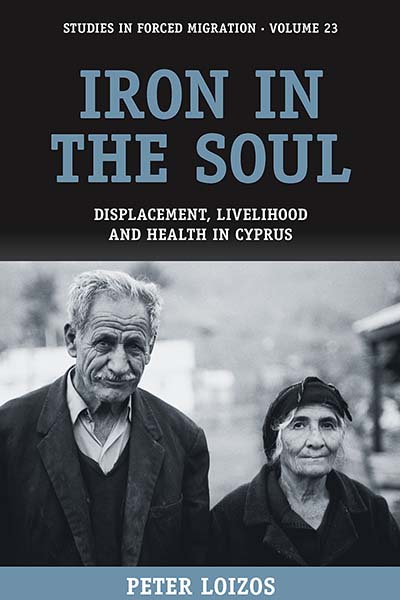
Subjects: Refugee and Migration Studies Anthropology (General)
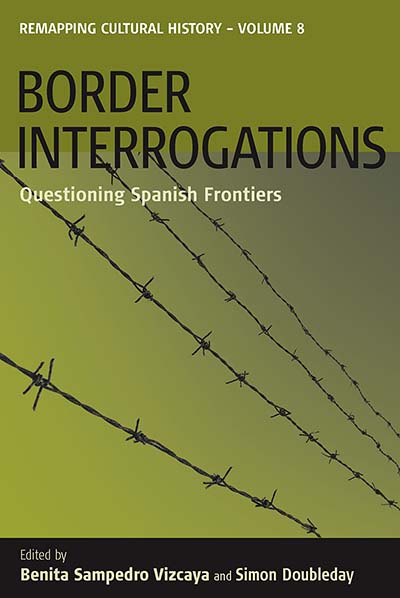
Subjects: Cultural Studies (General) Refugee and Migration Studies History (General)

Subject: History: 20th Century to Present
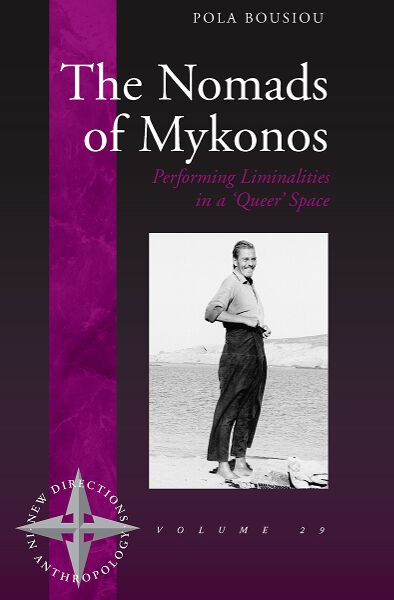
Subjects: Gender Studies and Sexuality Travel and Tourism Anthropology (General)
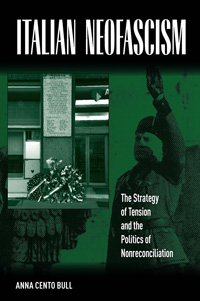
Subject: History: 20th Century to Present
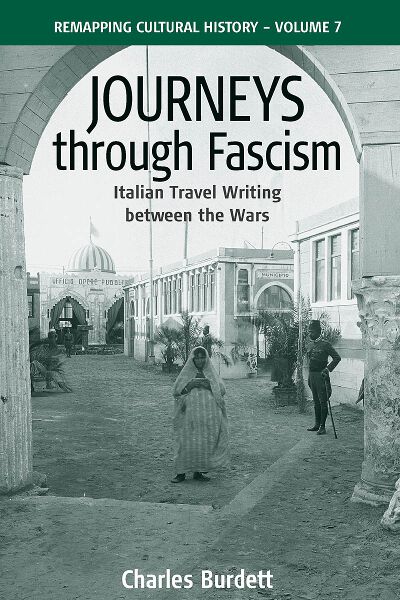
Subject: History: 20th Century to Present
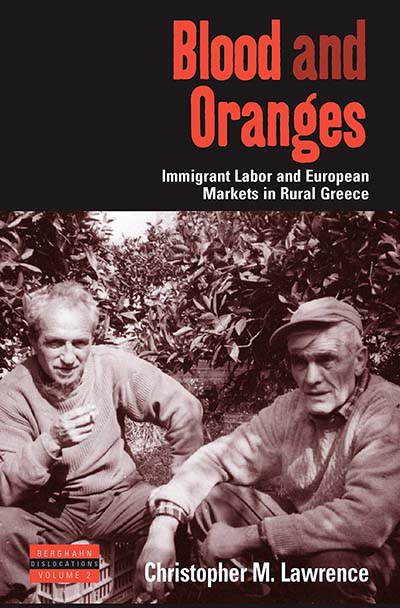
Subjects: Refugee and Migration Studies Political and Economic Anthropology Anthropology (General) Sociology
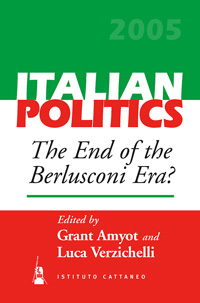
Subject: History: 20th Century to Present
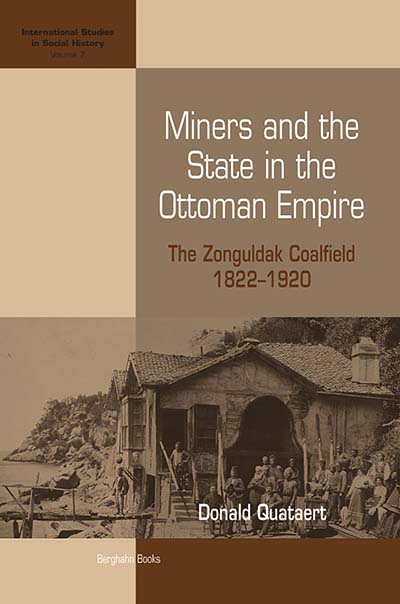
Subjects: History (General) History: 18th/19th Century History: 20th Century to Present Sociology
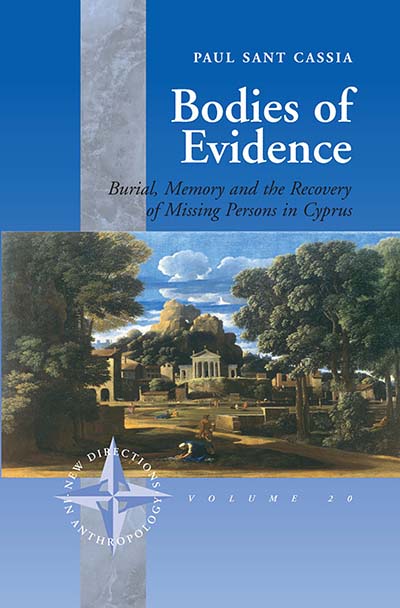
Subjects: Anthropology (General) Peace and Conflict Studies
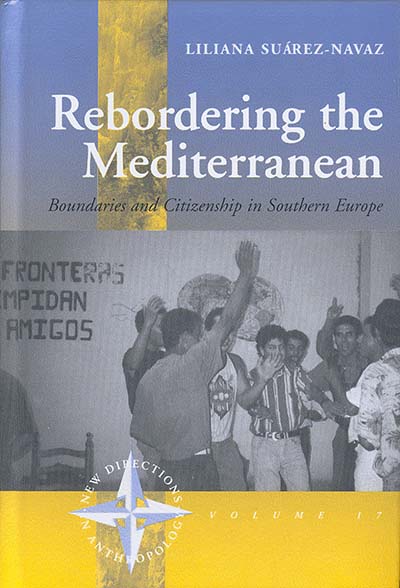
Subjects: Anthropology (General) Sociology Refugee and Migration Studies
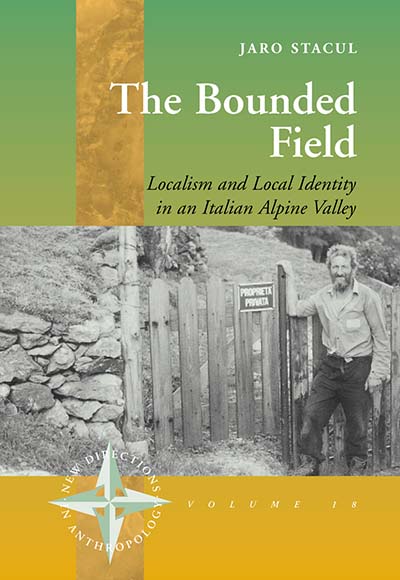
Subject: Anthropology (General)
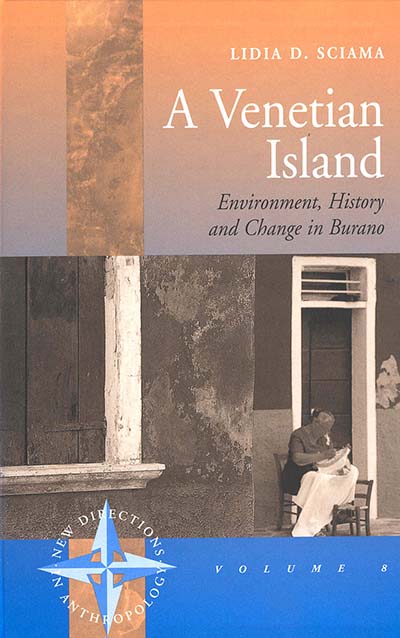
Subjects: Environmental Studies (General) Anthropology (General) Gender Studies and Sexuality
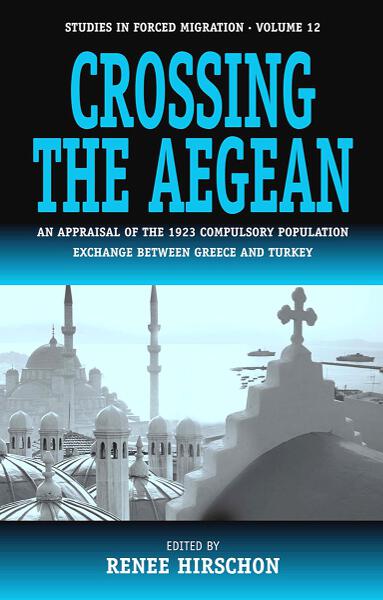
Subjects: Refugee and Migration Studies History: 20th Century to Present
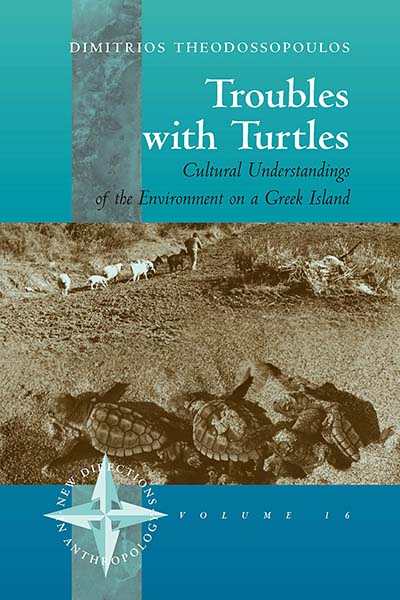
Subjects: Environmental Studies (General) Anthropology (General) Sustainable Development Goals
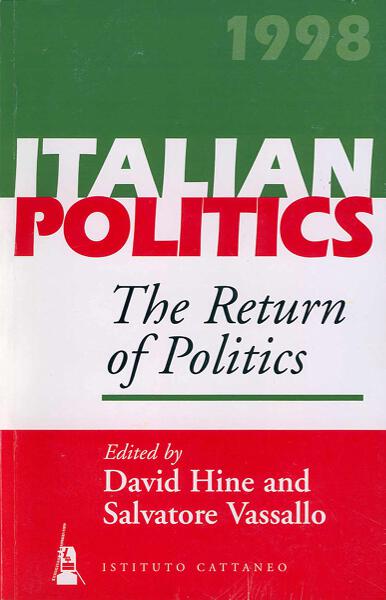
Subject: History: 20th Century to Present
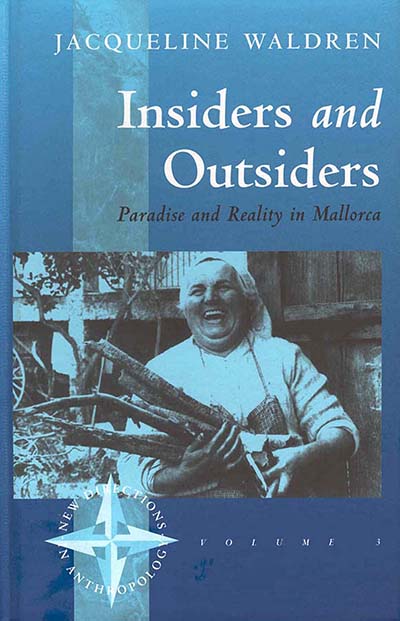
Subjects: Travel and Tourism Anthropology (General)
A series of papers by a wide range of authors from different countries and backgrounds focuses firmly on the question of the origin and development of social complexity, from the Neolithic through the Bronze Age, in Iberia writ large. A wide range of specific topics is covered with this specific focus, from results of field projects, laboratory analyses, and theoretical overviews.